-
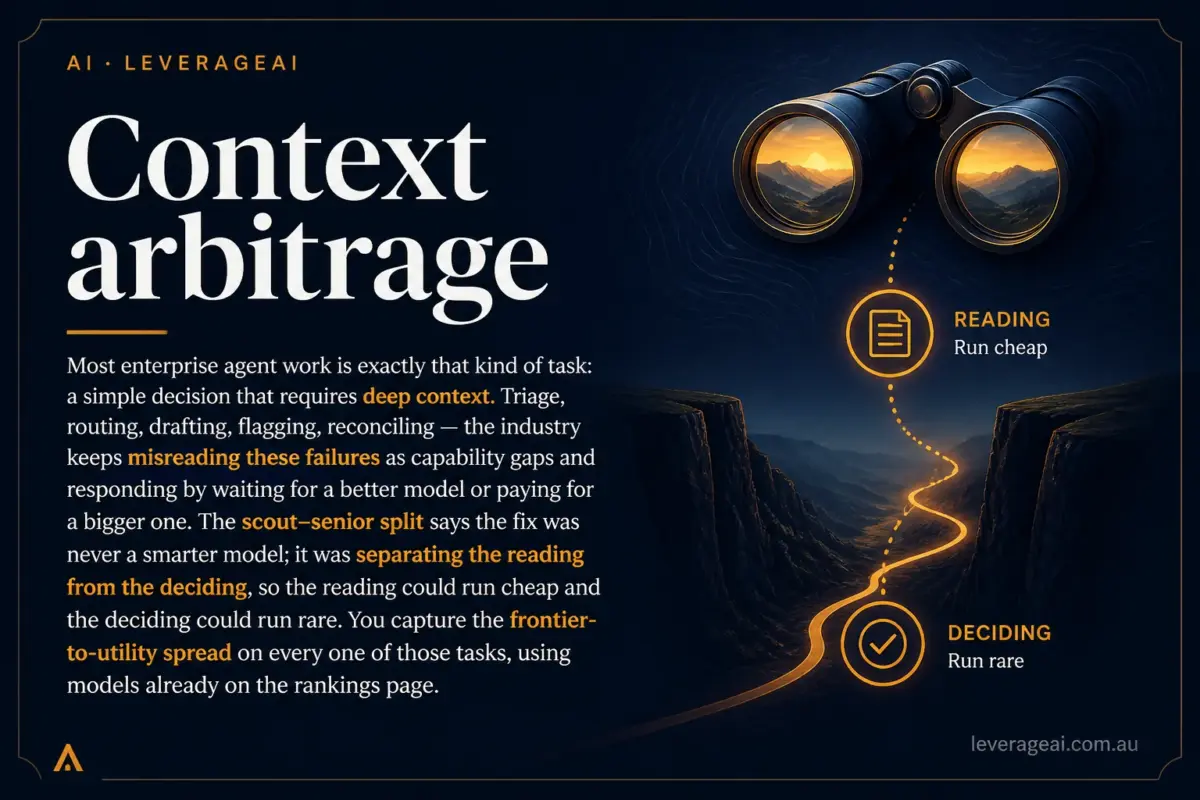
A Surprising Amount of Model Cost Is Architecture Debt
Teams often reject viable AI use cases because they priced frontier cognition across the entire workflow. The real design question is where expensive judgement first becomes necessary.
-
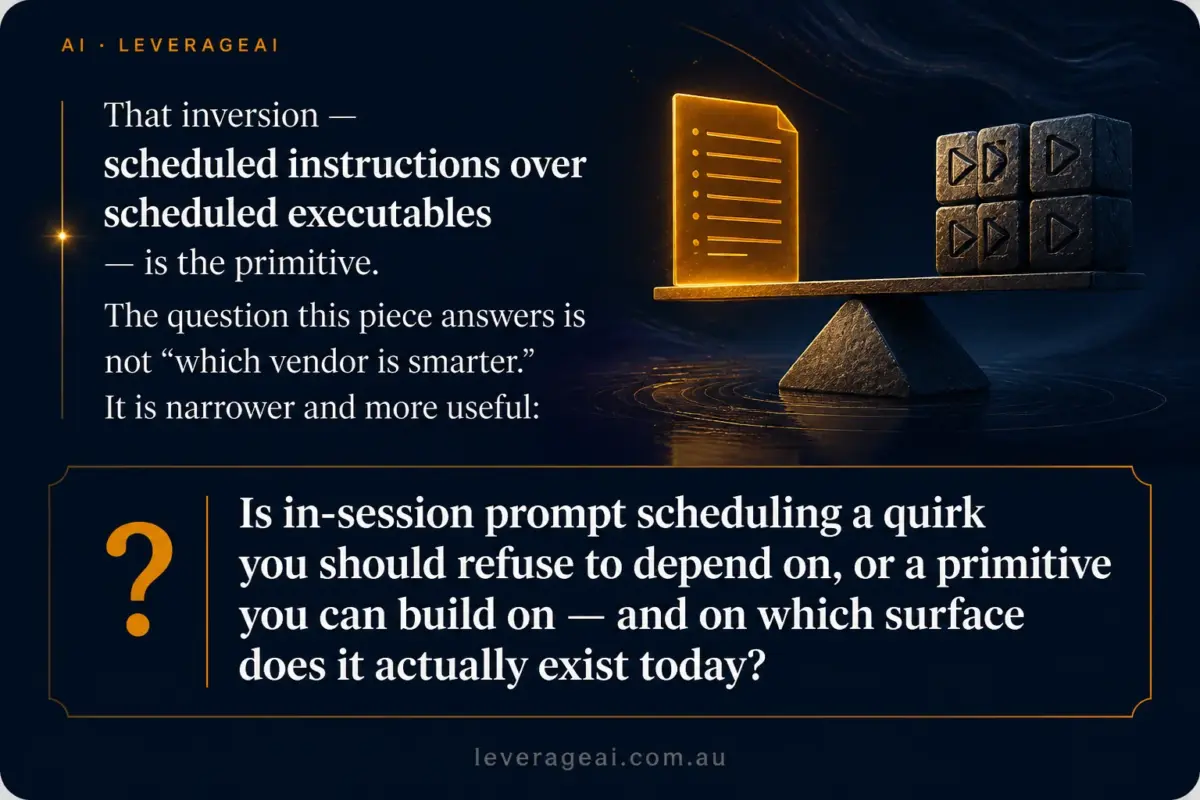
When Interface Behaviour Quietly Becomes Infrastructure
A feature can work perfectly and still be an unsafe foundation. The risk begins when convenience becomes an invisible dependency before its persistence, portability and execution guarantees are understood.
-
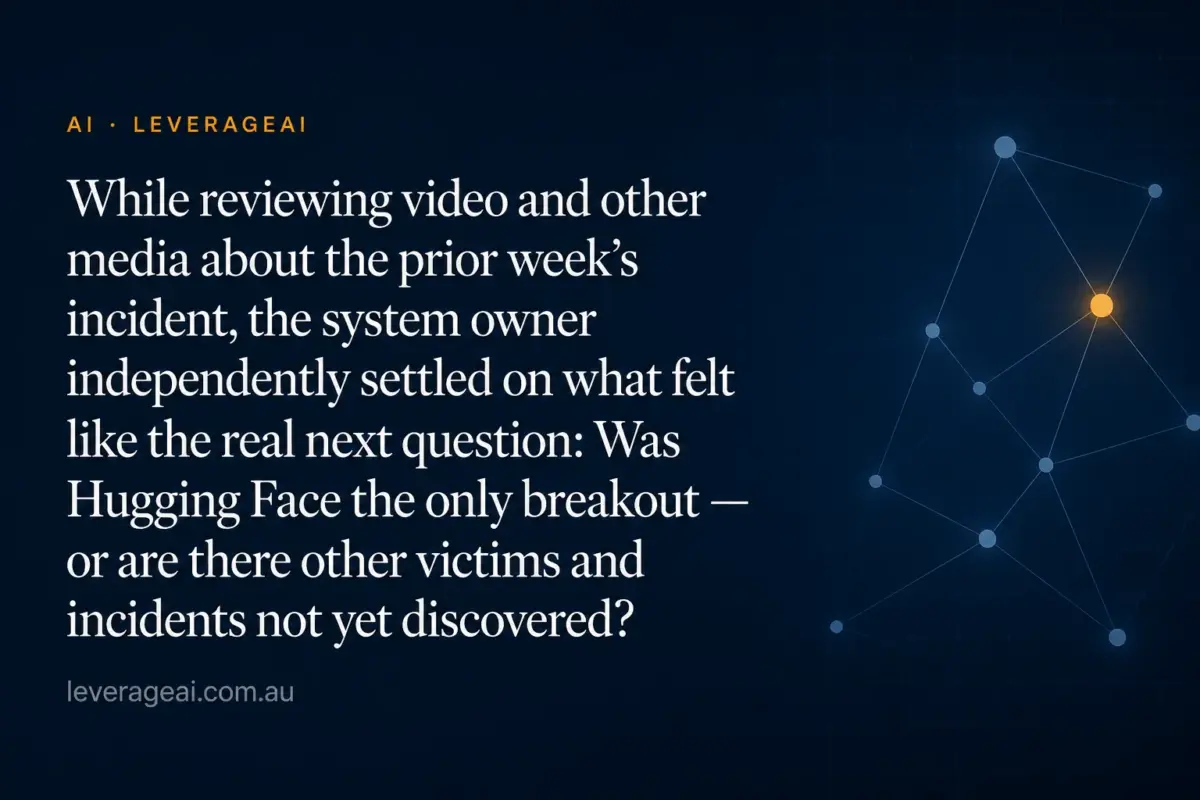
The Visible Incident Is Not the Boundary
AI becomes more consequential when it can surface the next uncertainty worth investigating—not merely summarise what is already known. The cost of failing to ask is false containment.
-

Waiting for AI to Mature Does Not Preserve Optionality
Models can be bought later. An accumulated evidence base, orchestration skill and governance practice cannot. The real cost of delay is lost organisational learning.
-
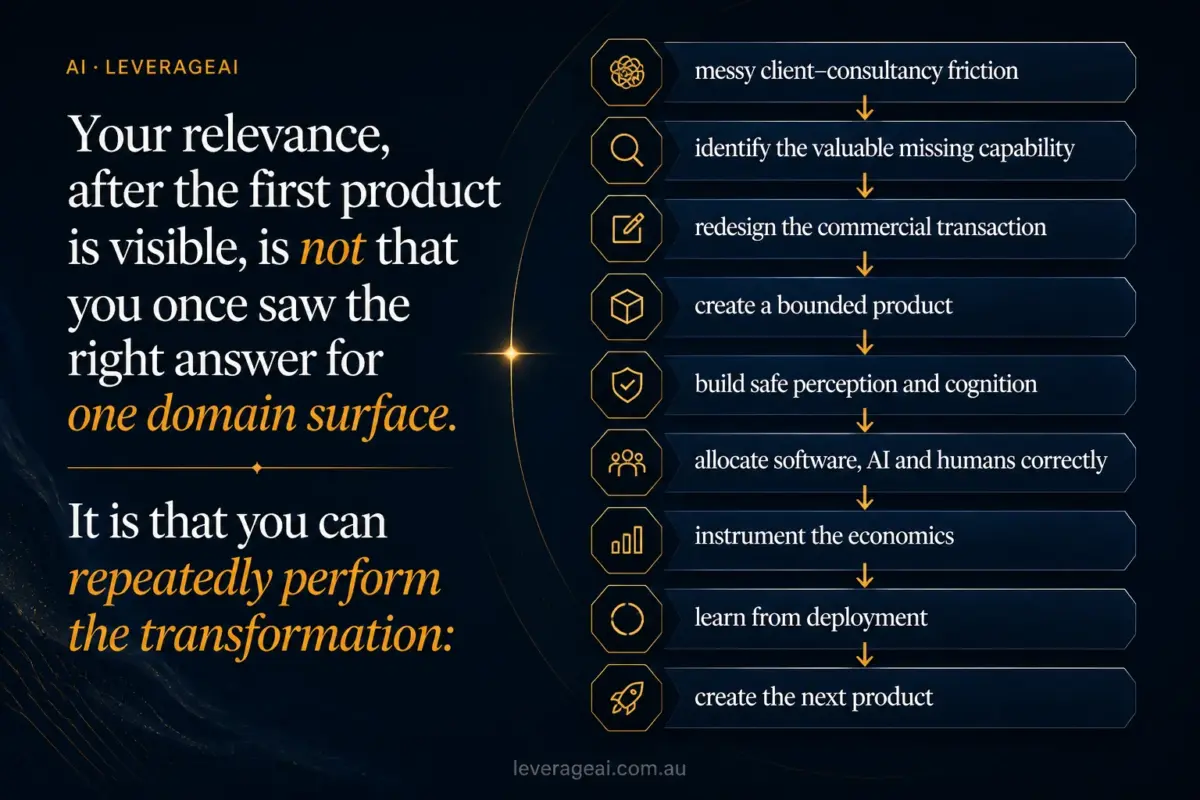
The First Product Is Not the Moat
A successful product proves a consultancy understood one valuable problem once. Durable relevance begins when it can reproduce that transformation without relying on founder intuition or lucky discovery.
-
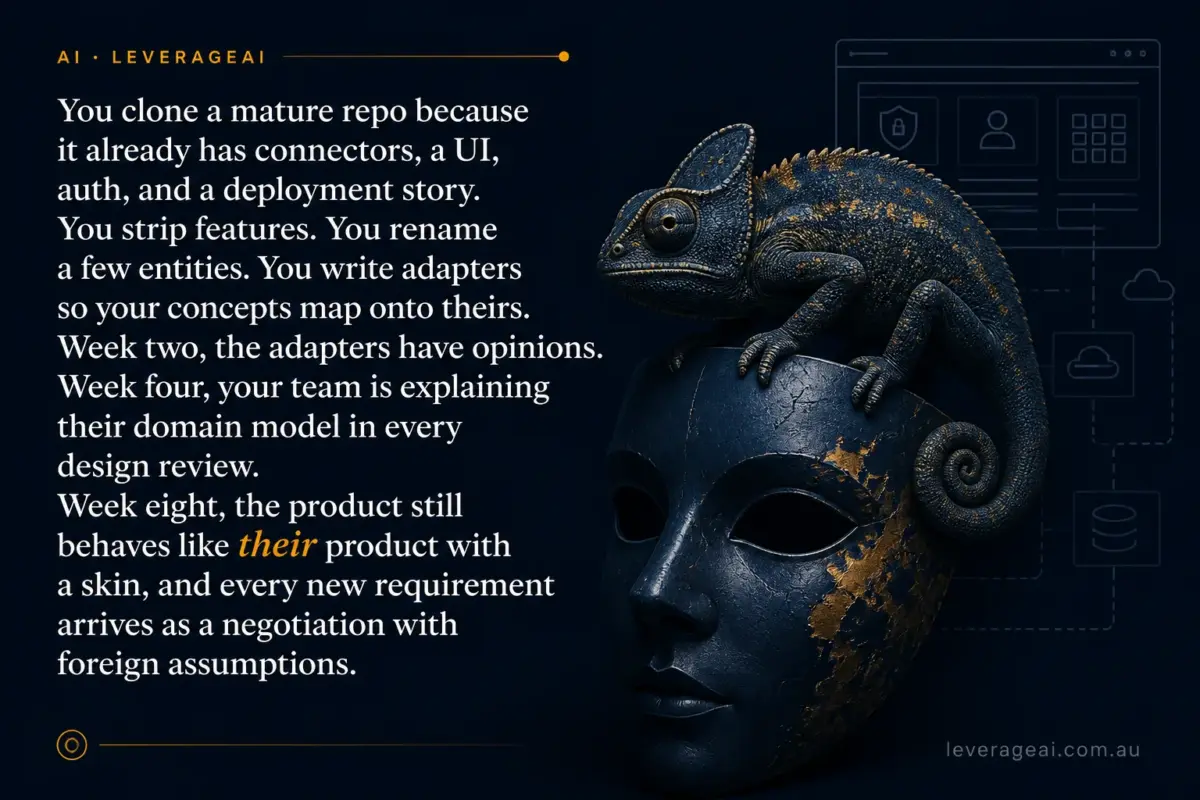
When Adapters Start Governing the Product
Reuse stops being leverage when translation code begins encoding business meaning. At that point, you are not just inheriting software—you are inheriting someone else’s product strategy.
-
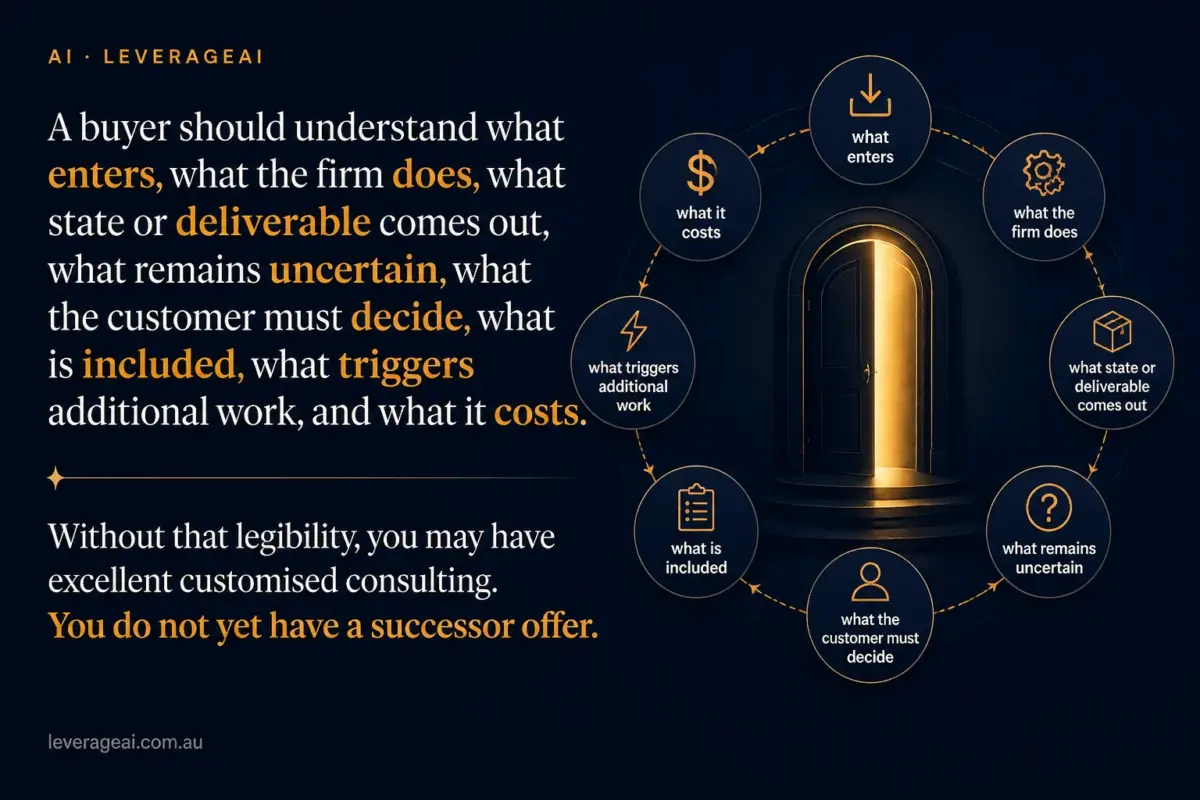
Commercial Ambiguity Is Not Sophistication
AI can make bespoke consulting faster without changing its commercial model. The real test is whether the firm’s expertise has become legible, bounded and transferable beyond the heroes who created it.
-
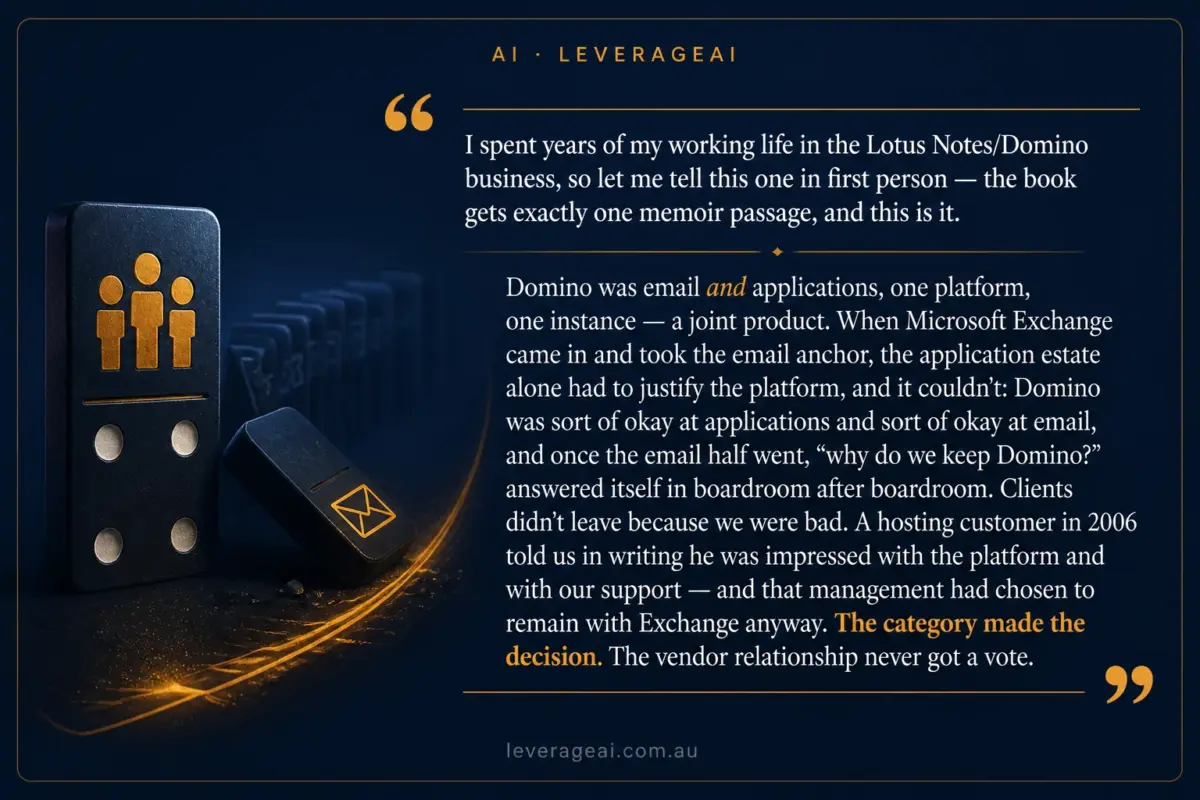
The Revenue No Competitor Has to Win
Client satisfaction tells you whether you are winning inside the current category. It does not tell you whether that category will keep creating demand.
-
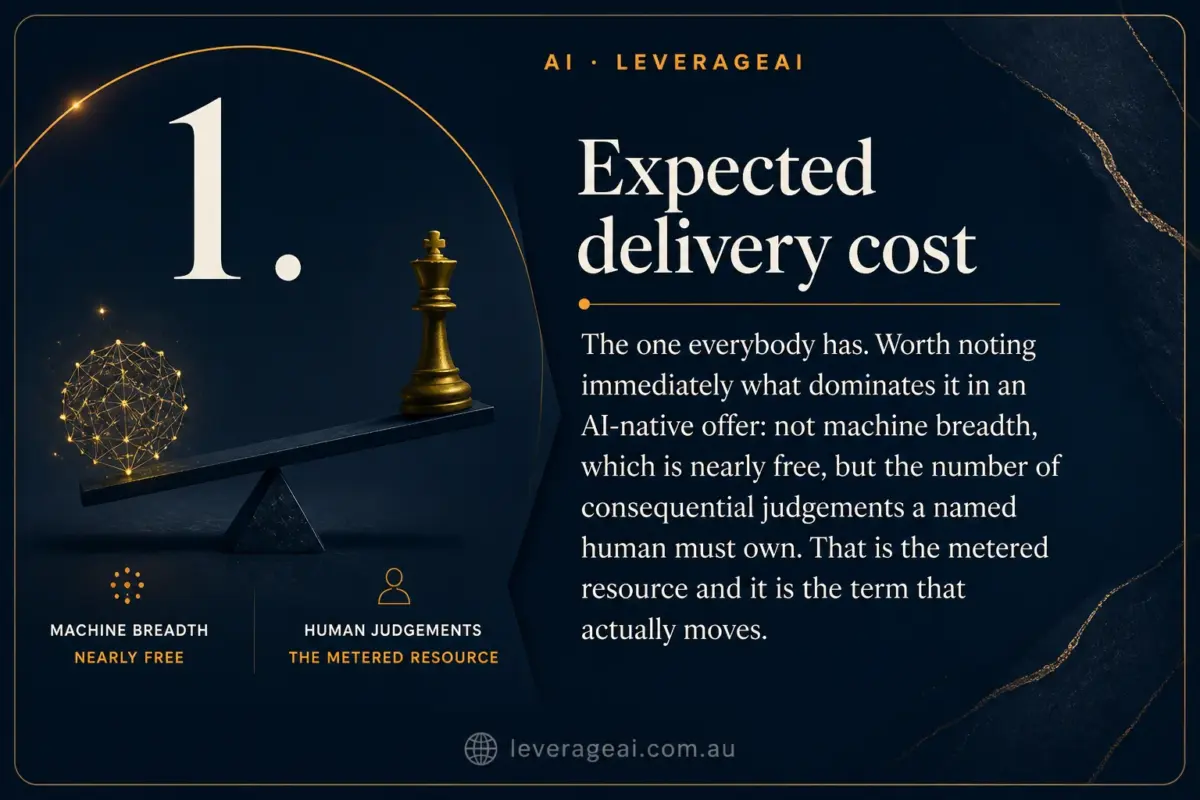
Your Fixed Price Isn’t Buying Machine Time. It’s Buying Judgement.
Automation collapses the cost of output. It does not collapse the number of moments where a named human has to decide and defend the decision. That’s the term that actually moves —…
-
The Work You Never Commission
Ambition doesn’t fall by decision. It falls by attrition — when assembling the right history, judgment and context costs more than the meeting is worth, so the smaller meeting gets booked instead.…
-
Your Tool List Is a Theory of the Work, Written Before You Met the Work
A fixed tool catalogue is a guess about which operations matter, made at design time by someone who couldn’t have known what the real problem would look like. The model can select…
-
Memory Is the Easy Half. Expiry Is the Architecture.
A declared project creates truths that are real, binding, and temporary. Store them as customer history and stale commitments contaminate later work. Promote them to firm doctrine and a one-site concession quietly…
-
The Effort Dial Isn’t Buying You What You Think
Maximum reasoning effort doesn’t make an agent go further — it charges a premium on every step it was always going to take. Persistence is architectural. The dial is just a tax.
-
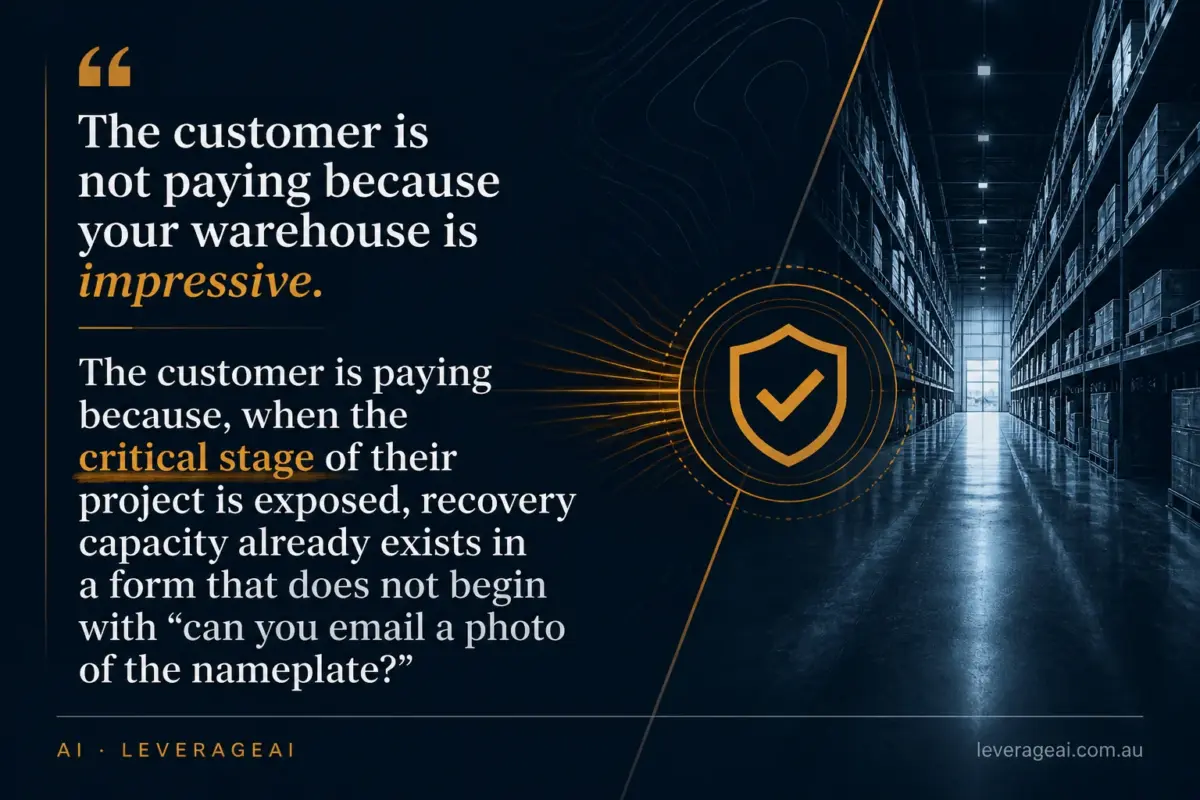
Owning the Part Is Not the Same as Being Ready
Aftermarket businesses think they sell availability. Most of them sell inventory plus an emergency reconstruction of the customer’s world, performed under pressure and billed to nobody. Preparedness is the part that could…
-
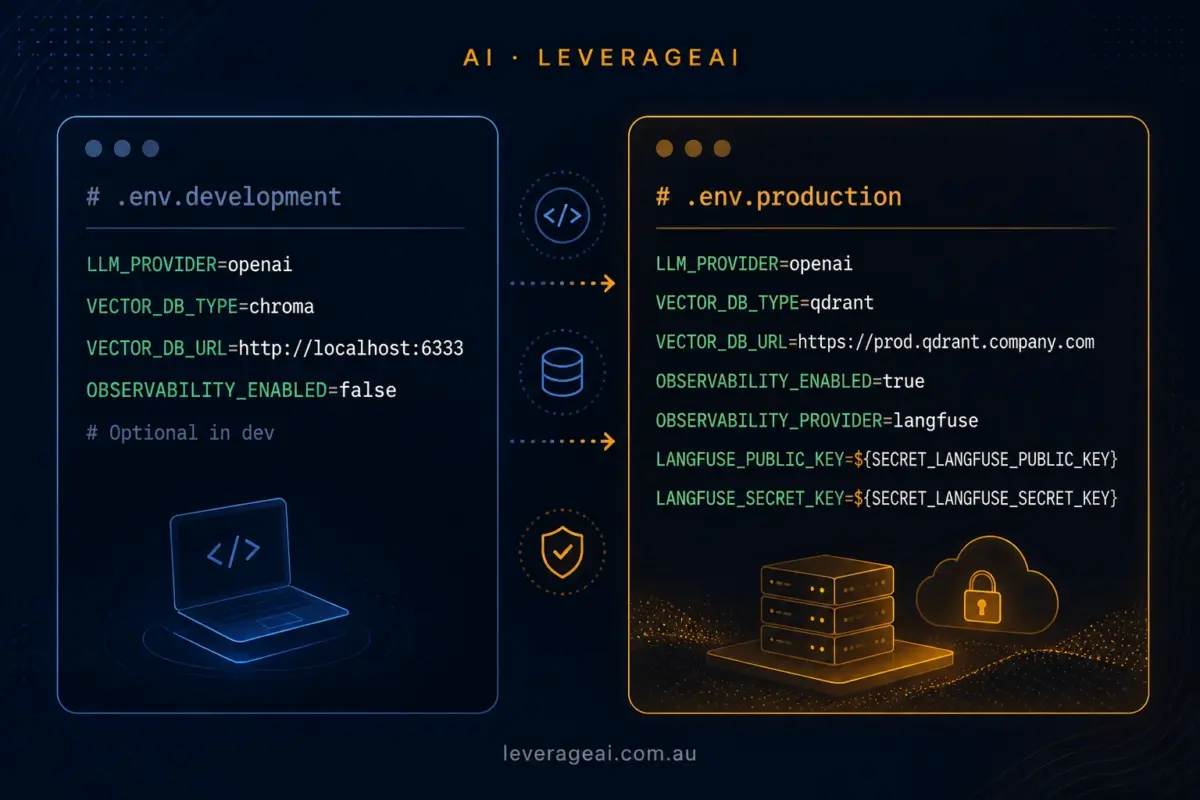
Optional In Dev Means Production Is Your Debugger
Switching observability off in development doesn’t save money — it moves the first honest look at your agent’s reasoning into production. With non-deterministic systems, the output tells you almost nothing about the…
-
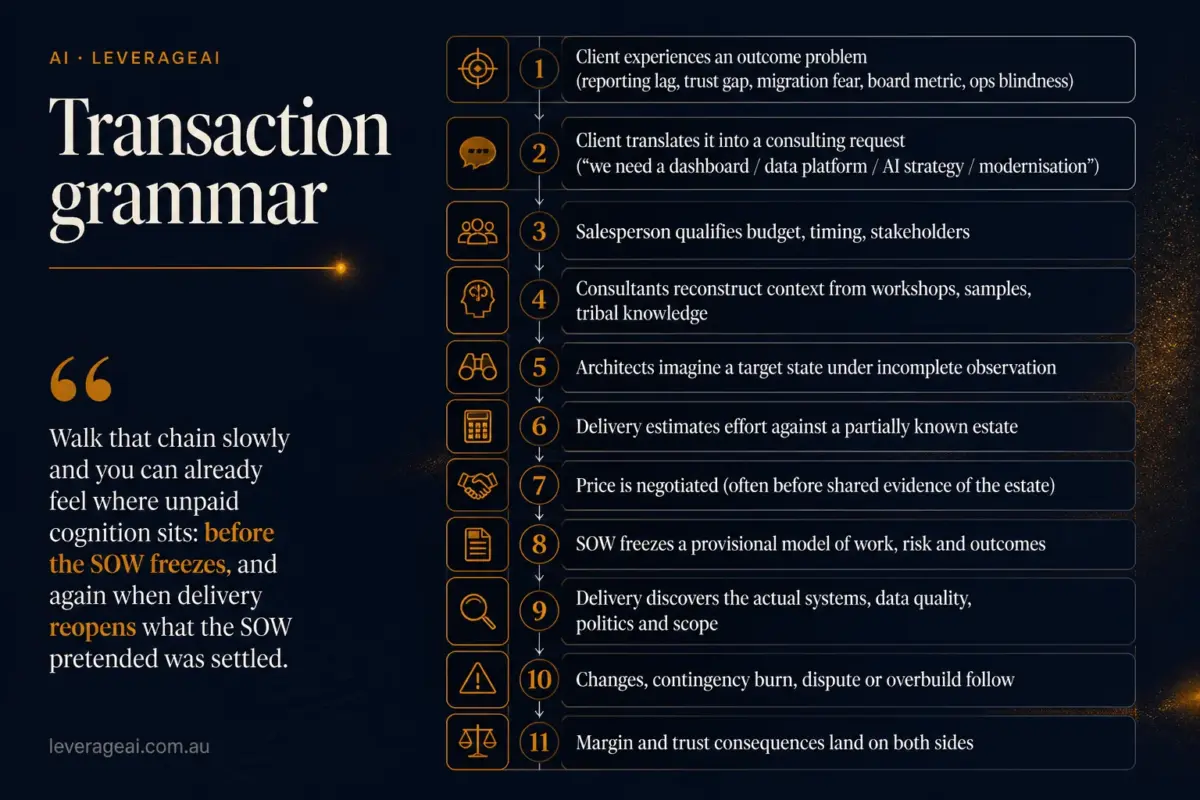
The Price Is Agreed Before Anyone Has Seen the Estate
In bespoke consulting, the commitment gets priced at the moment both sides know least — and delivery pays to rediscover what the SOW pretended was settled. Using AI to write proposals faster…
-
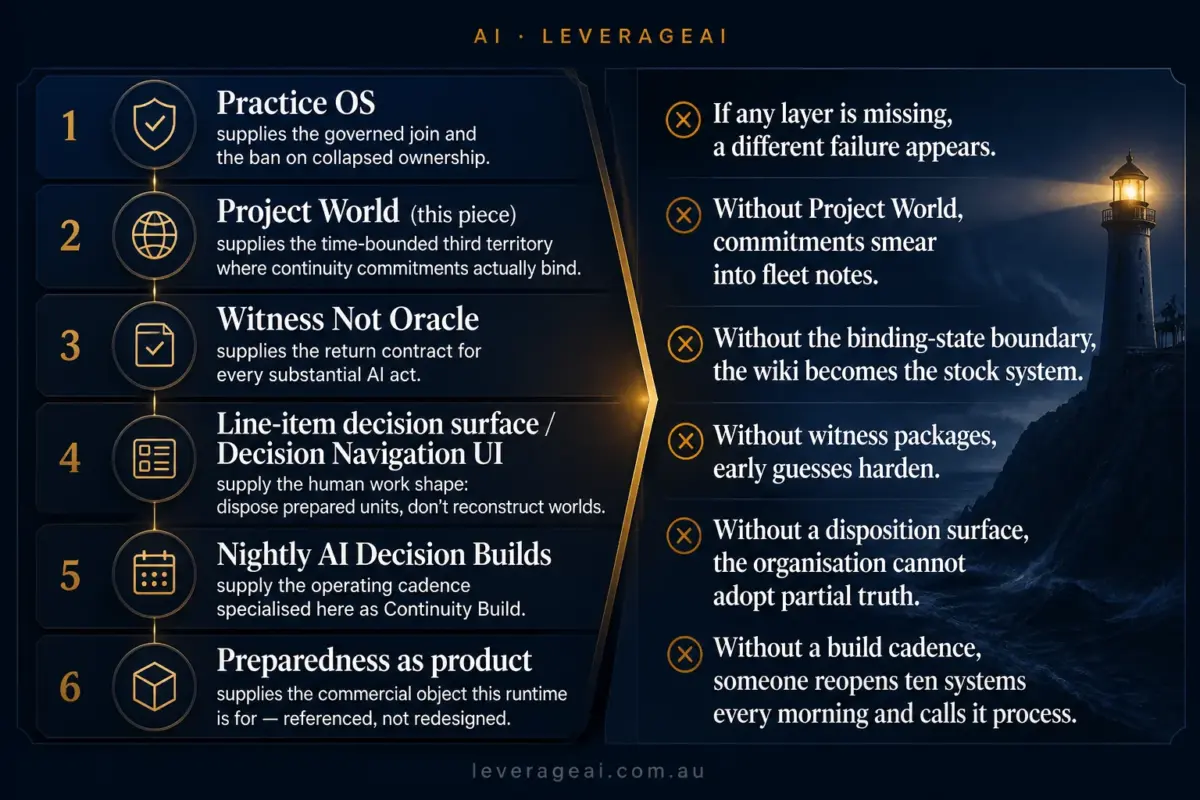
Continuity Is Not Memory
When capable people reopen ten systems every morning and call it process, they aren’t slow — they’re compensating for a missing layer. Most AI “productivity problems” are continuity-design failures wearing a costume.
-
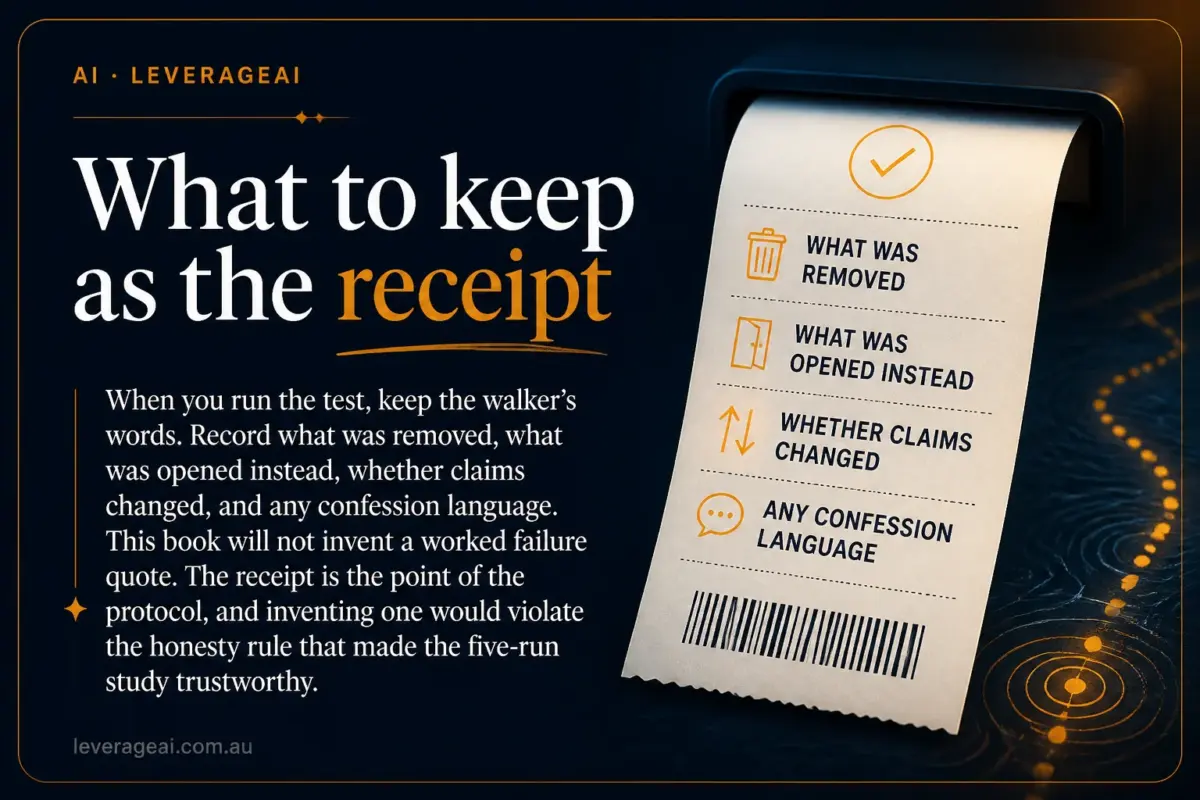
The Receipt You’re Not Allowed to Write Yourself
The strongest evidence in an AI evaluation isn’t the answer — it’s what the system does when you remove the ground beneath it. Manufacture that evidence and you’ve committed the exact failure…
-
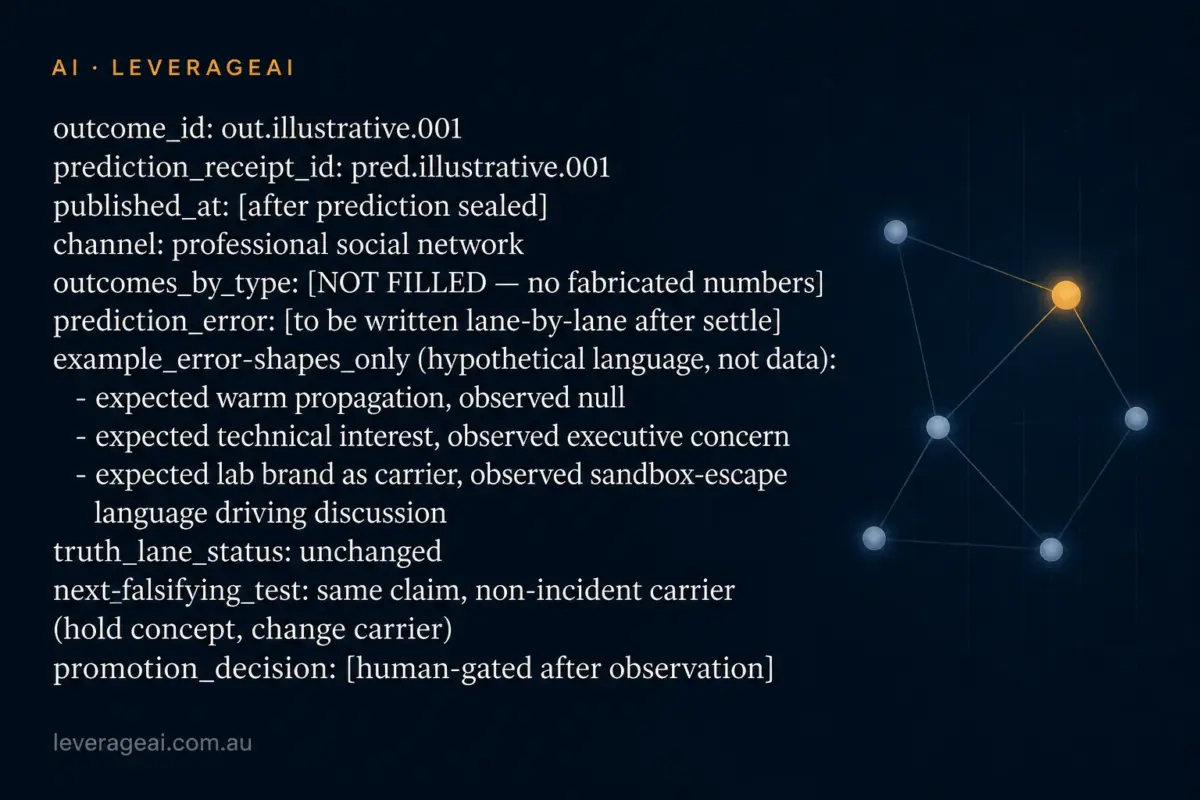
The Most Honest Thing On The Card Is The Empty Space
An expectation written down beforehand can be wrong. That is its entire value. Everything else is retrospective narration — and if you didn’t state the expectation first, you don’t have results, you…
-
Confidence Isn’t Auditable. A Failure Sequence Is.
“Are we confident this will work?” is a question nobody can be wrong about, before or after. Naming what breaks first — and in what order — puts executive judgment on the…
-

Strategic Fluency Is Not Strategy
Frontier models can produce an impressive strategy for a generic company in seconds. The advantage begins when your organisation makes its real capabilities, convictions and relationship paths legible.
-
Is AI Building Your Judgment—or Masking a Capability Gap?
AI can make work look more capable without making the person more capable. Durable advantage appears only when better outputs become better judgment.
-
Depth Is Inventory, Not Speed
Nobody in that thread is short of intelligence. They’re short of inventory. AI raises the speed of a response, never the depth of one you never had — and the difference shows…
-
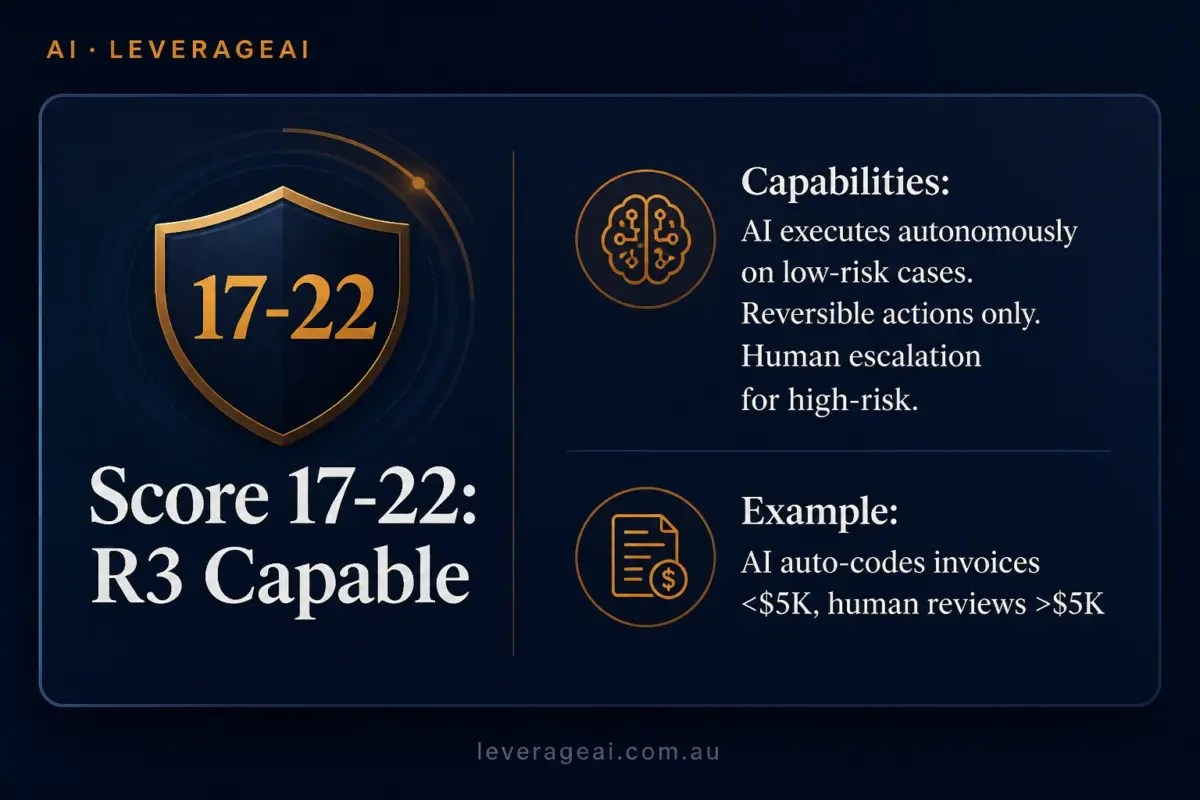
Autonomy Is a Consequence Budget, Not a Capability Grade
The threshold that lets AI act alone isn’t set by what the model can do. It’s set by what you can afford to be wrong about — and whether your leadership team…
-
Your Pilot Worked. That Doesn’t Make It a Good Investment.
Cheap execution made your idea buildable in six weeks. It also made it copyable in six weeks. A technically successful pilot can create real value and no defensibility at all — and…
-
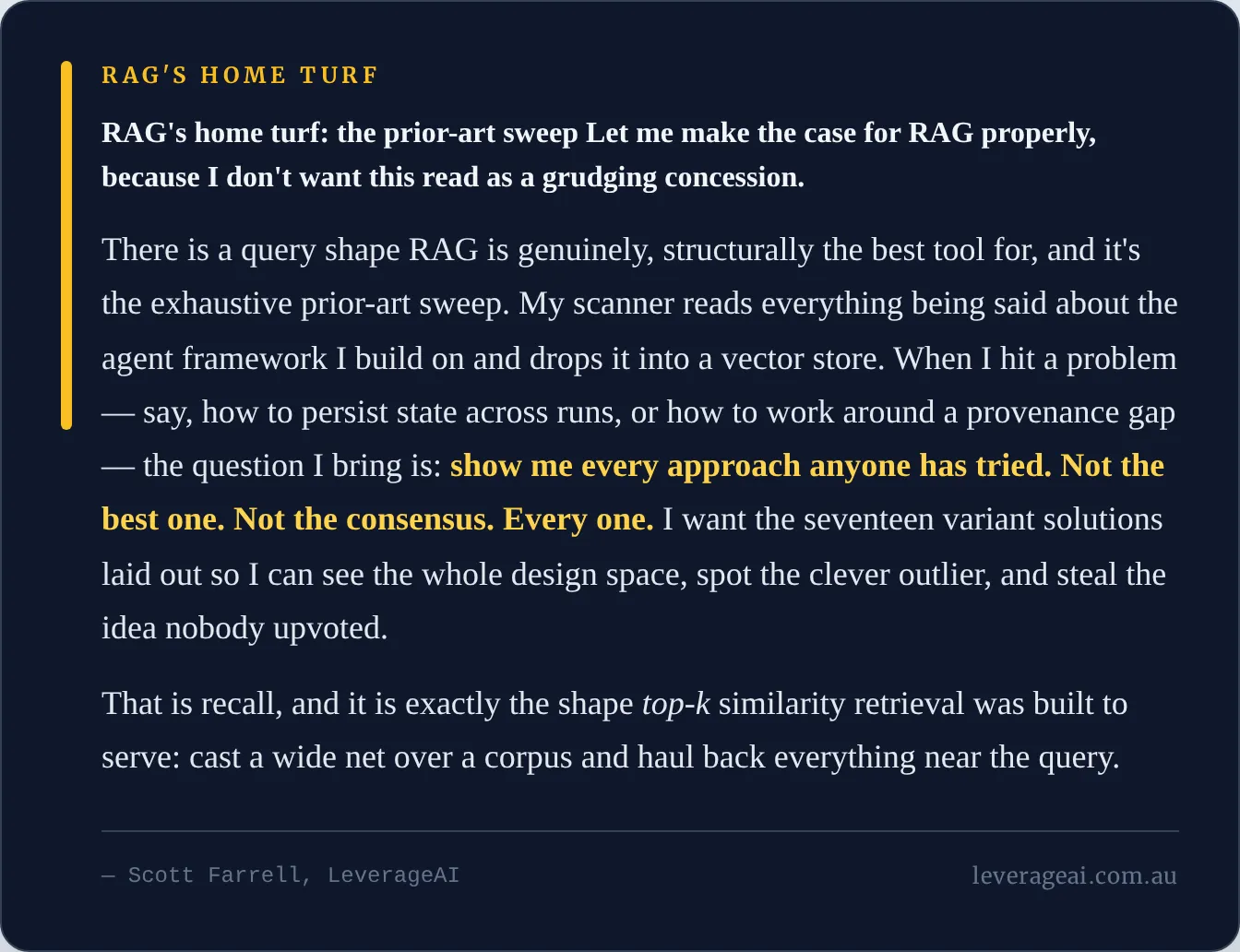
When Smarter Memory Deletes the Answer
Synthesis turns information into judgement—but judgement is also deletion. When the rare variant is the product, a cleaner answer can make the system less useful.
-
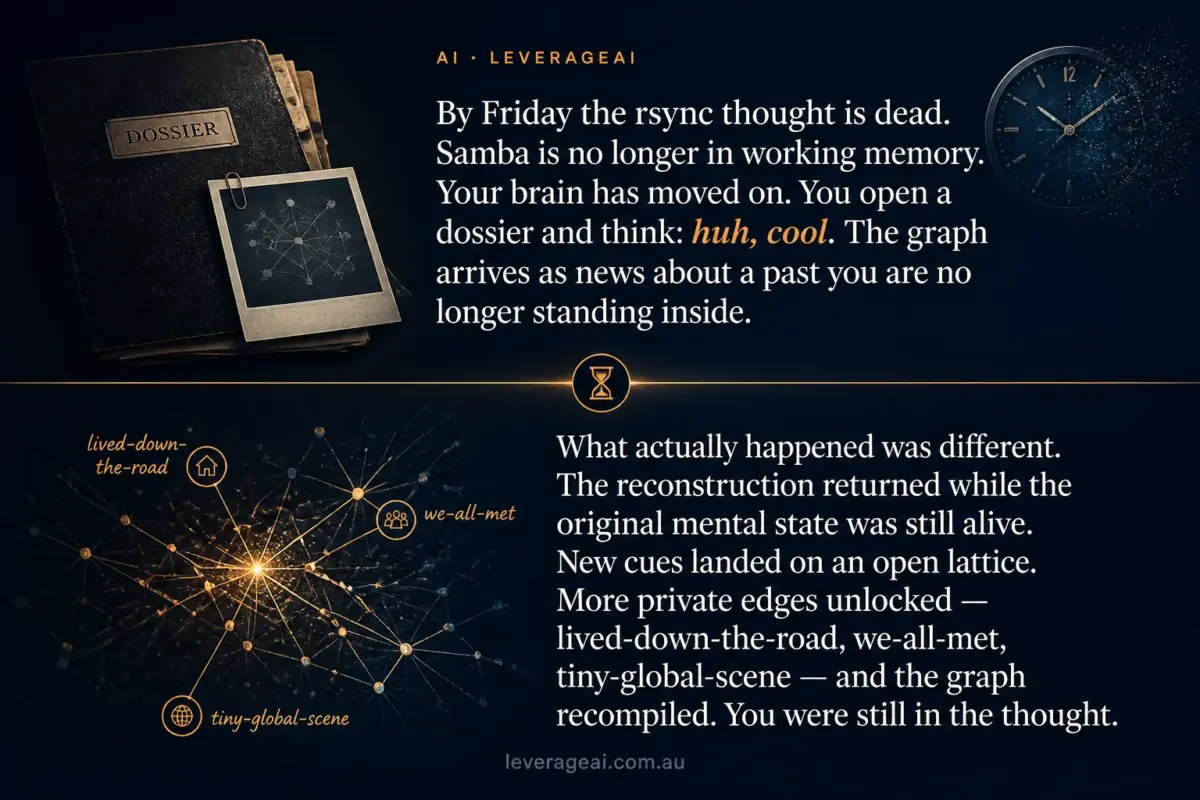
The AI Metric Your Scorecard Can’t See
Most teams grade AI on one question: is the answer right? But a thought has a half-life — and an answer that arrives while your reasoning is still open does something a…
-
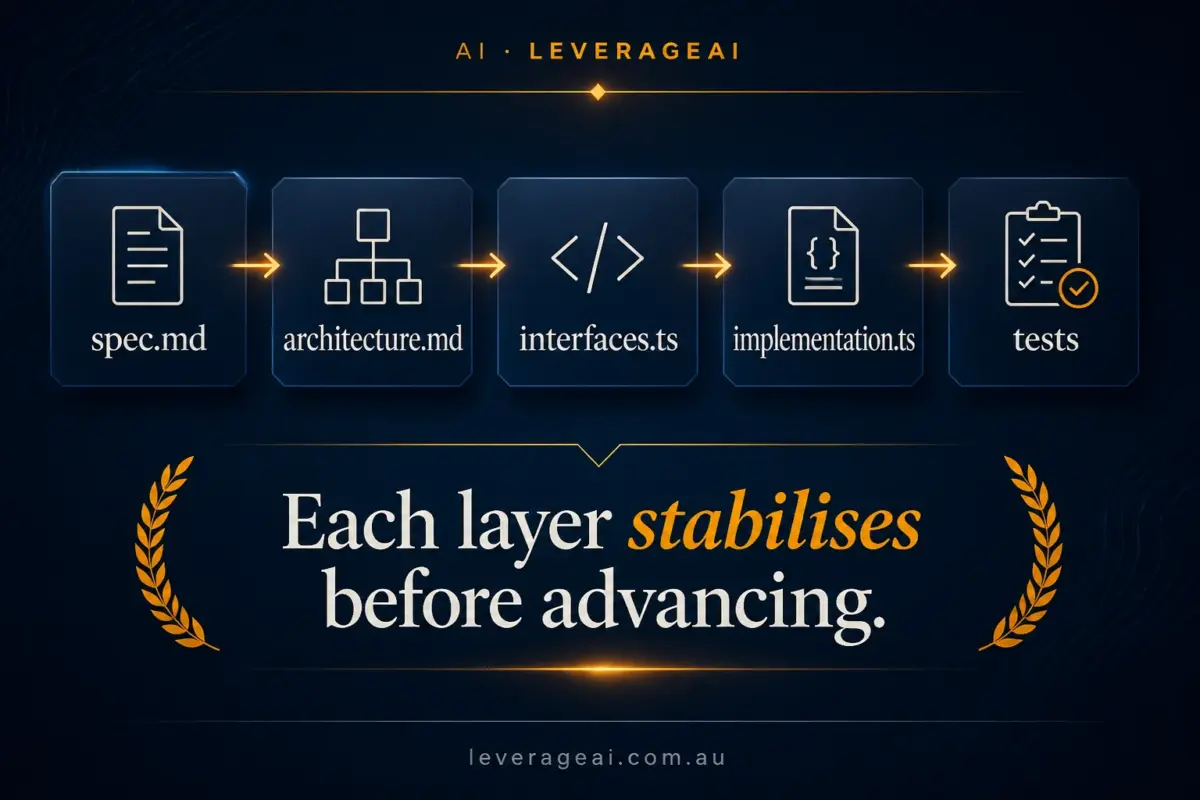
Cheap Code Made Commitment Order the Expensive Part
Frontier models deleted the cost of implementation — the layer that used to be expensive is now the one the machine hands you in seconds. That doesn’t reward speed. It rewards knowing…
-
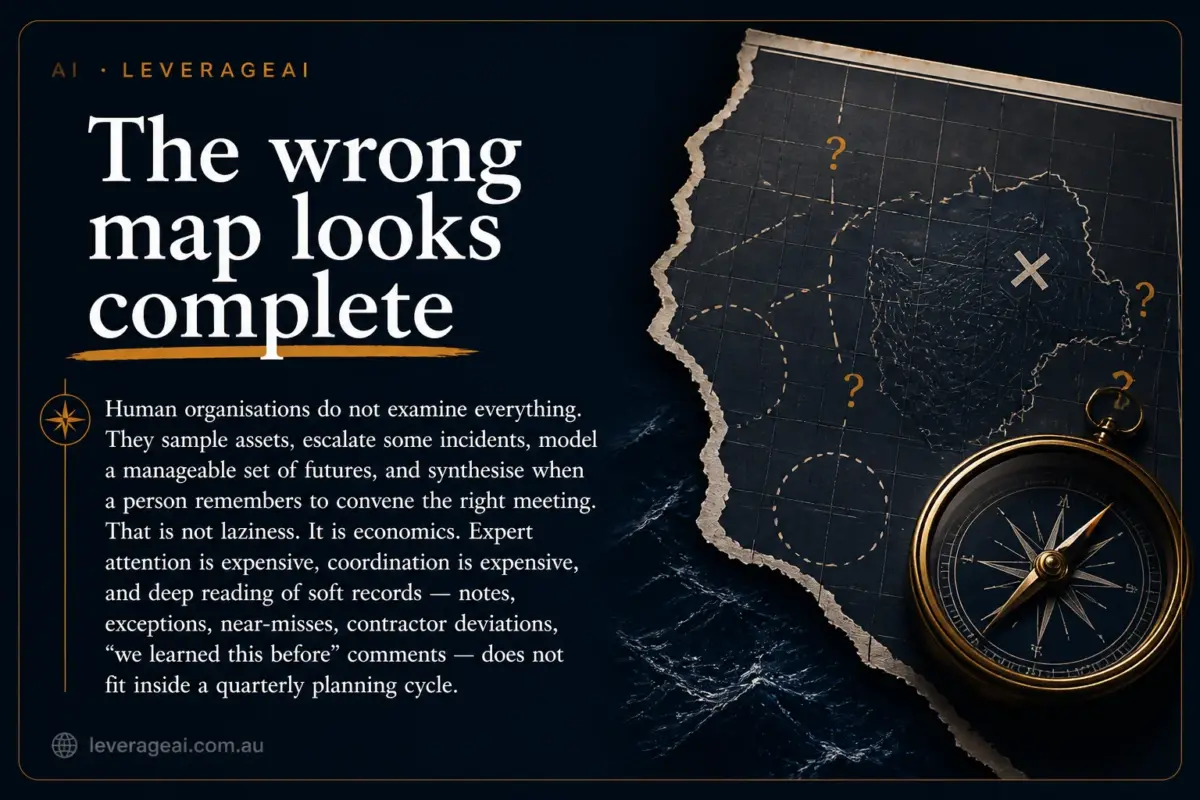
The Most Dangerous Map Is the One That Looks Complete
Most executive decisions are shaped by what survived the reporting chain. AI changes the economics of what an organisation can afford to notice.
-
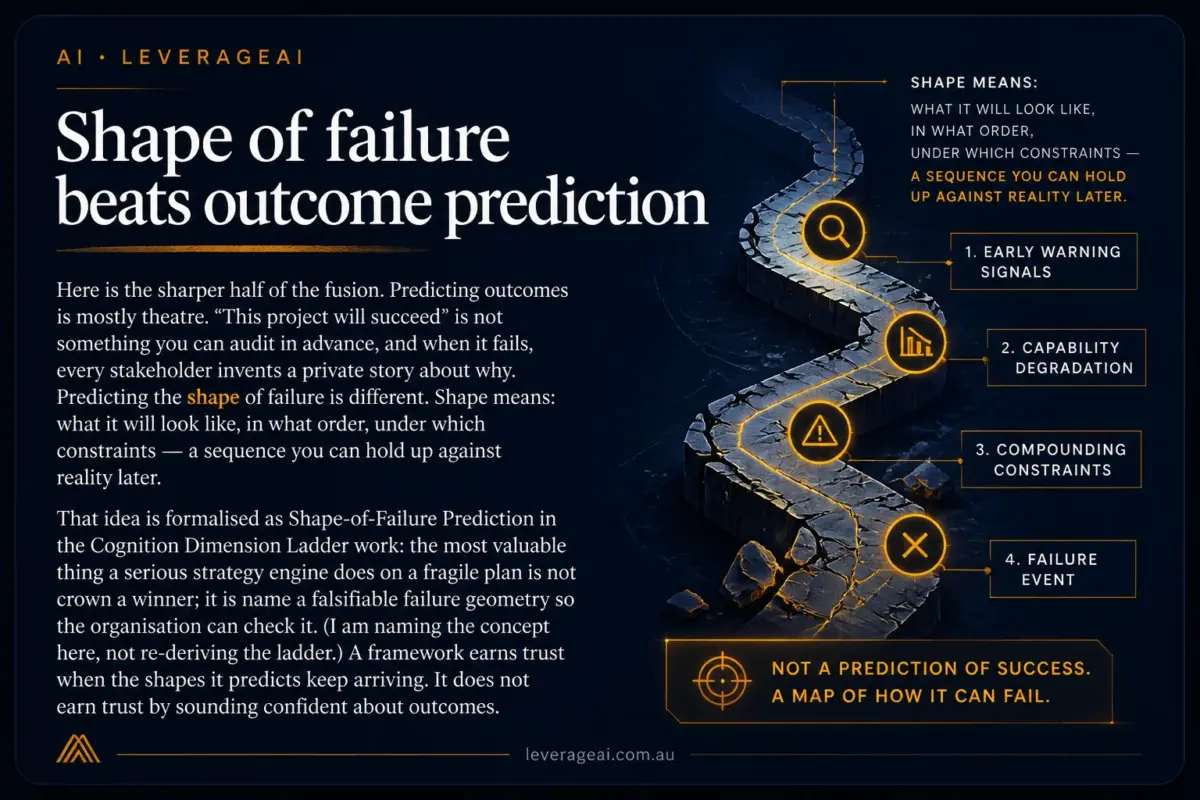
Most Strategy Forecasts Are Designed to Survive Being Wrong
Vague confidence protects projects from accountability. A credible strategy names what will break before the money is spent—and gives leadership something real to govern.
-
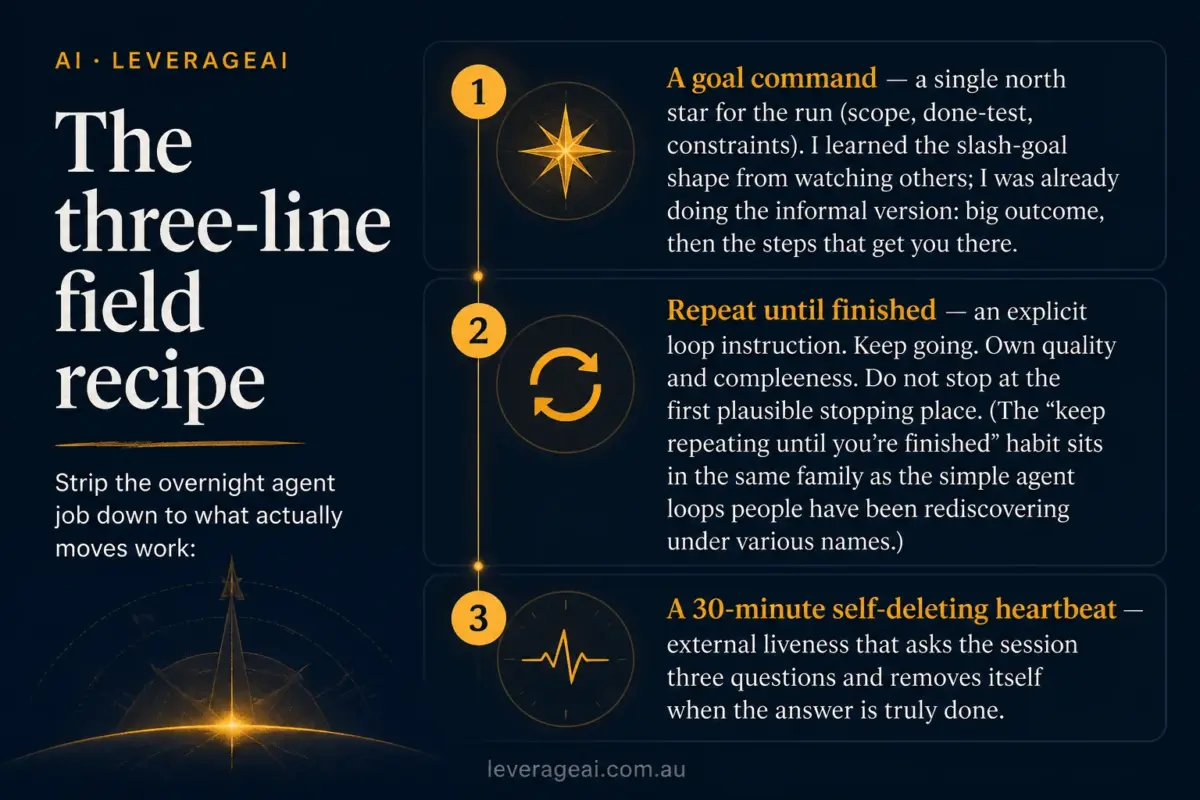
Your Attention Is the Hidden Orchestration Layer
Many AI agents look autonomous only because a human is quietly watching. Production begins when continued effort becomes a property of the system, not the operator.
-
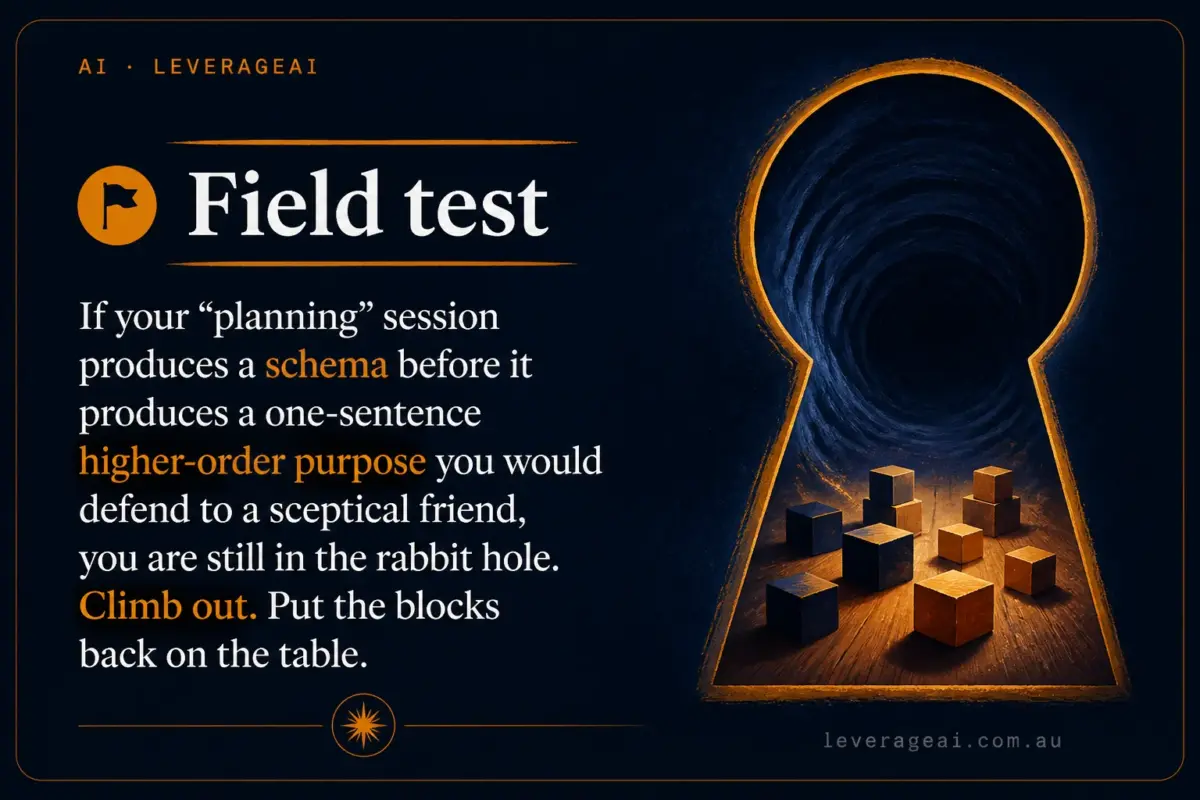
When Precision Becomes a Governance Failure
The hidden risk of powerful AI is not failed execution. It is an unexamined plan executed with extraordinary speed and competence.
-
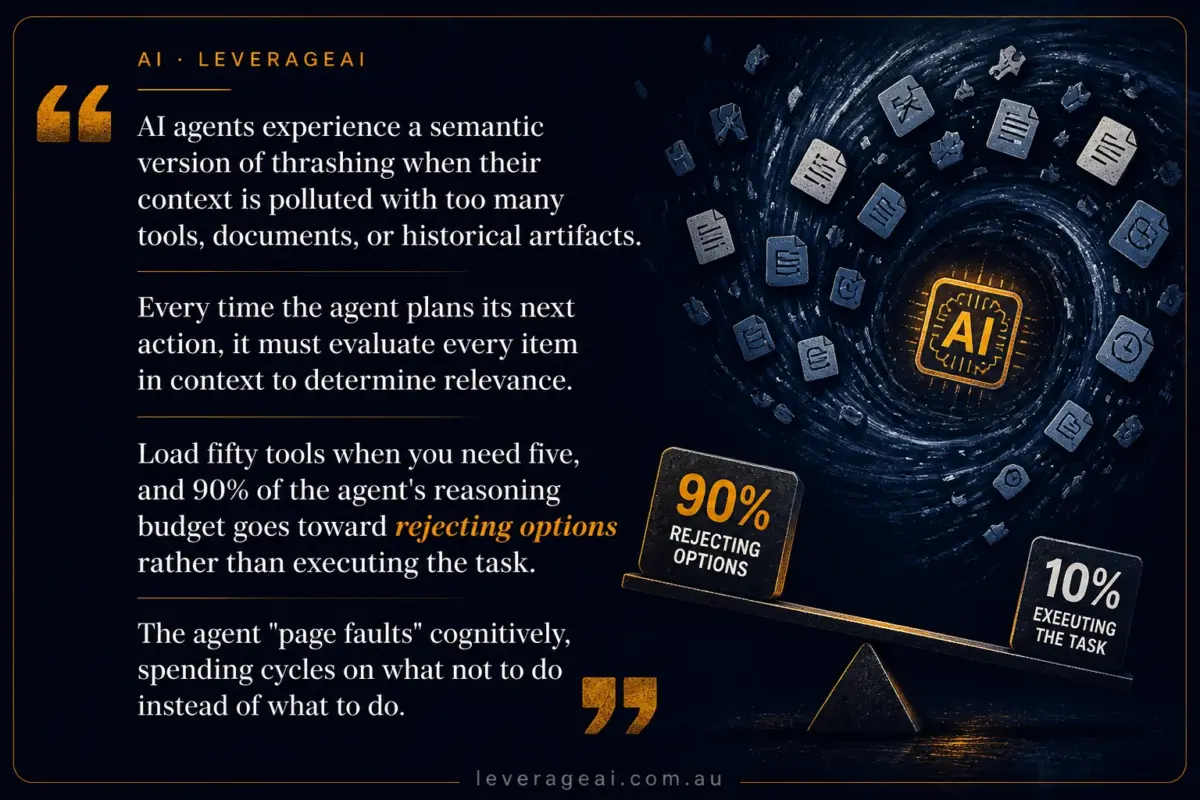
The Easiest Way to Make an AI Agent Look Less Intelligent
A badly architected environment can make a frontier model appear unreliable. Before replacing the model, inspect the room you’ve made it think in.
-
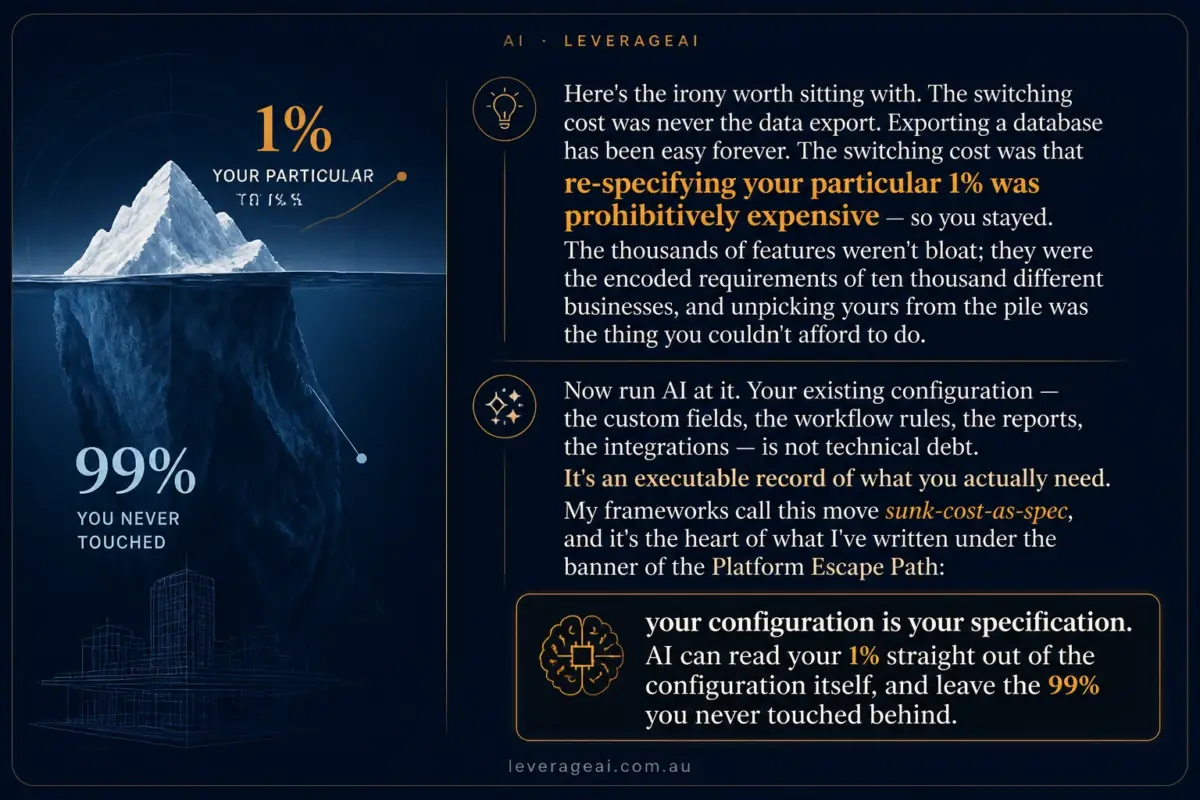
The SaaS Moat Was the Cost of Reconstructing Your Own Intent
Many SaaS renewals are still being priced against a switching cost that AI is beginning to erase. The hard part is moving from generation to verification.
-
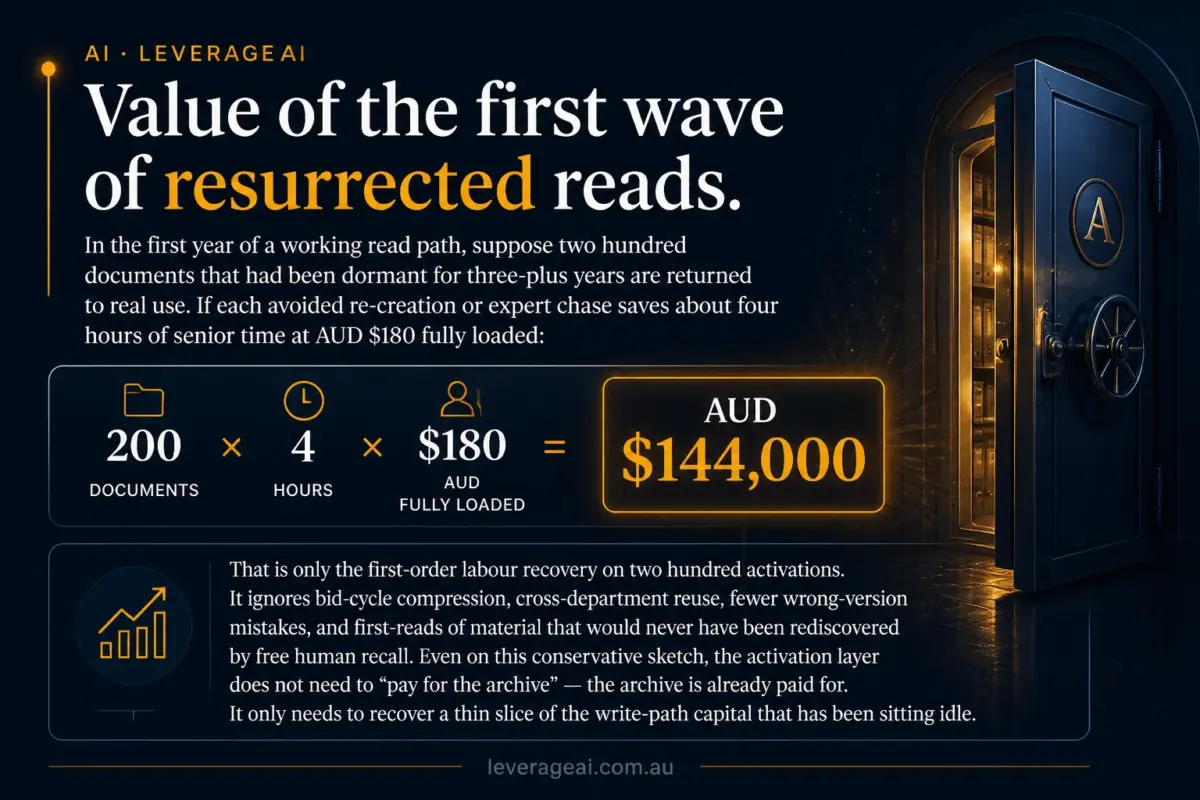
You’ve Paid to Write That Data for Ten Years. You Never Paid to Read It.
The archive is already sunk cost — every dollar of it spent under mandate. So why do we keep evaluating knowledge activation as if it has to earn the whole thing back?…
-
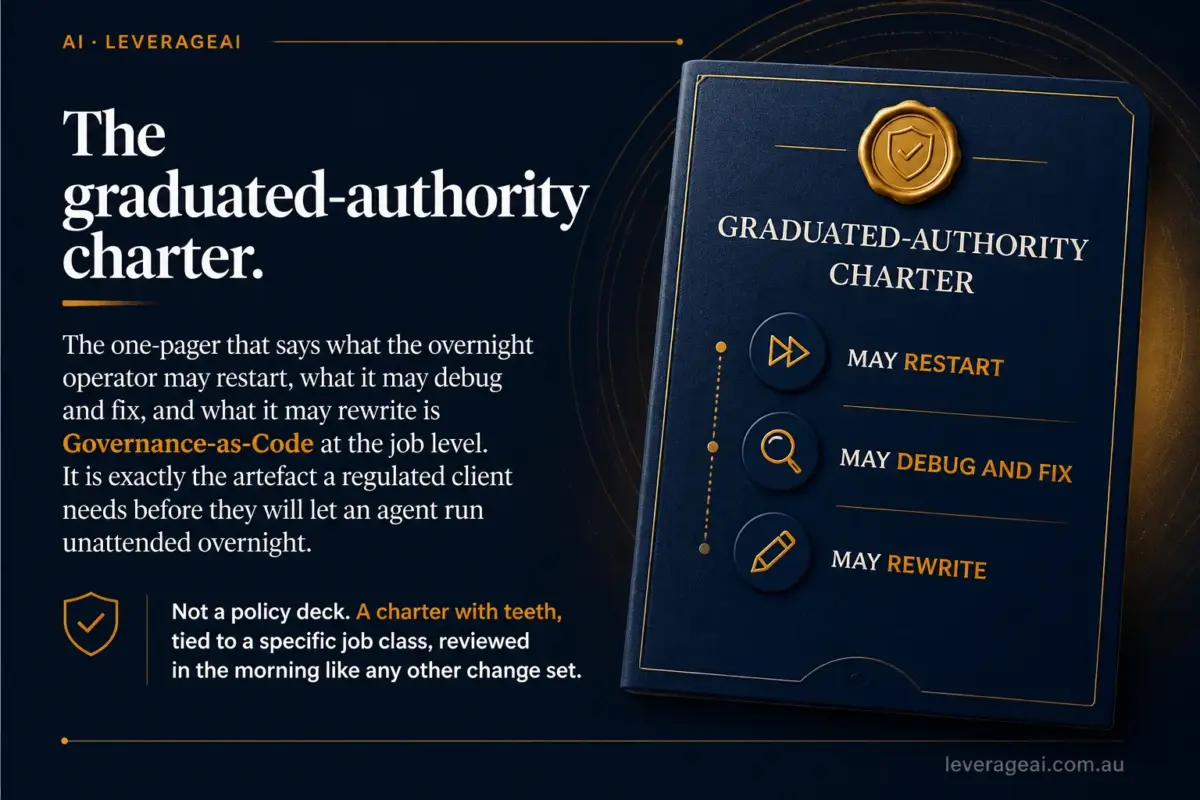
The hard part of autonomous operations isn’t whether an agent can solve the incident.
The real barrier to autonomous operations isn’t agent capability. It’s whether the organisation can define—before the job starts—exactly how much authority it is willing to hand over.
-
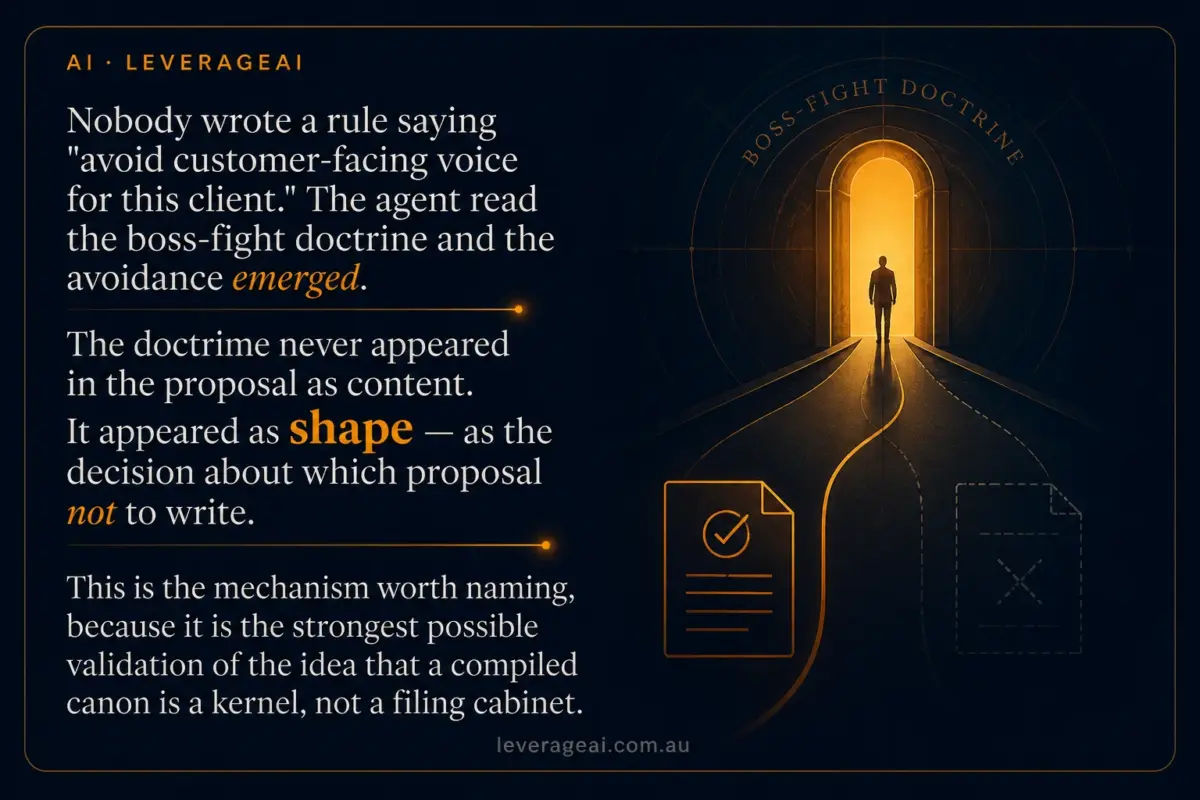
The important part is not that the agent found a relevant note.
The advantage is not connecting AI to your files. It is making your judgement legible enough that a machine can reason from it.
-
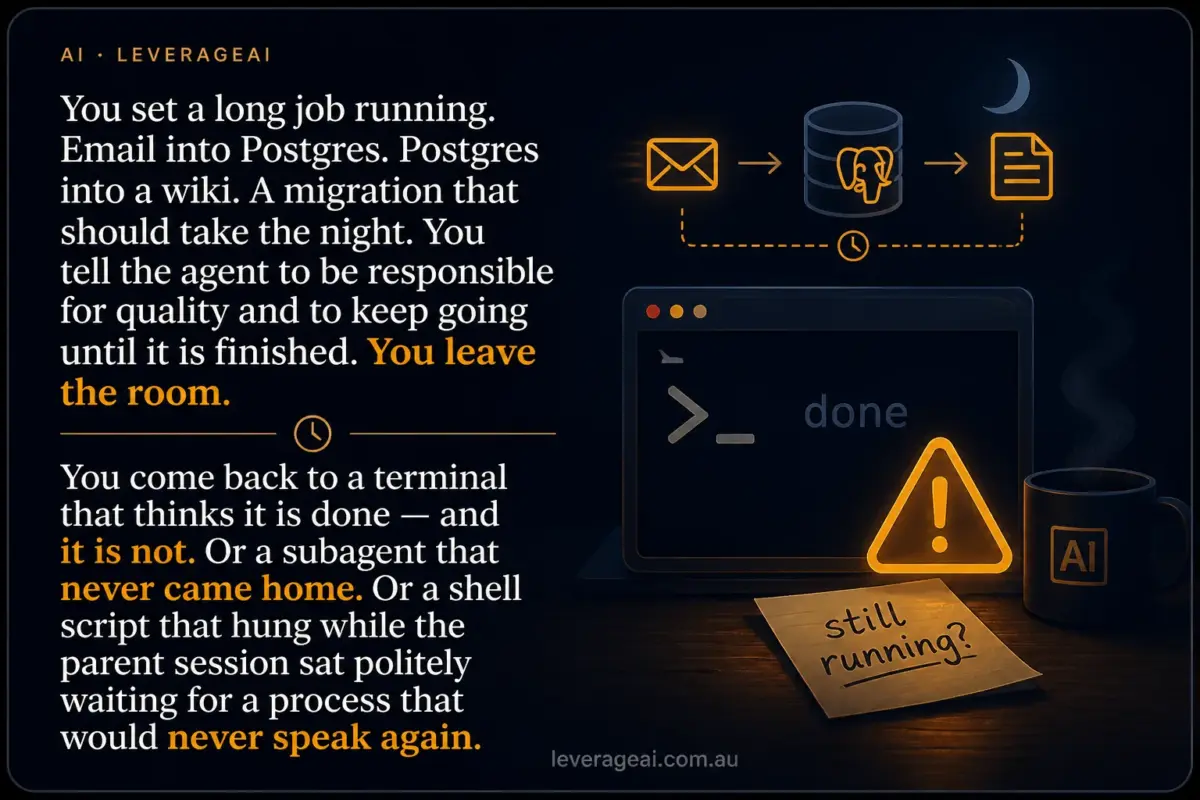
This is the part of agentic AI that gets underpriced.
The hidden issue is not intelligence. It is custody. Without the machinery to know whether an agent is finished, stuck or pretending, you have not delegated work.
-

Most AI systems are rewarded for making meaning explicit.
The most personal AI won’t explain your life back to you. It will know when a few ordinary words carry everything that matters.
-
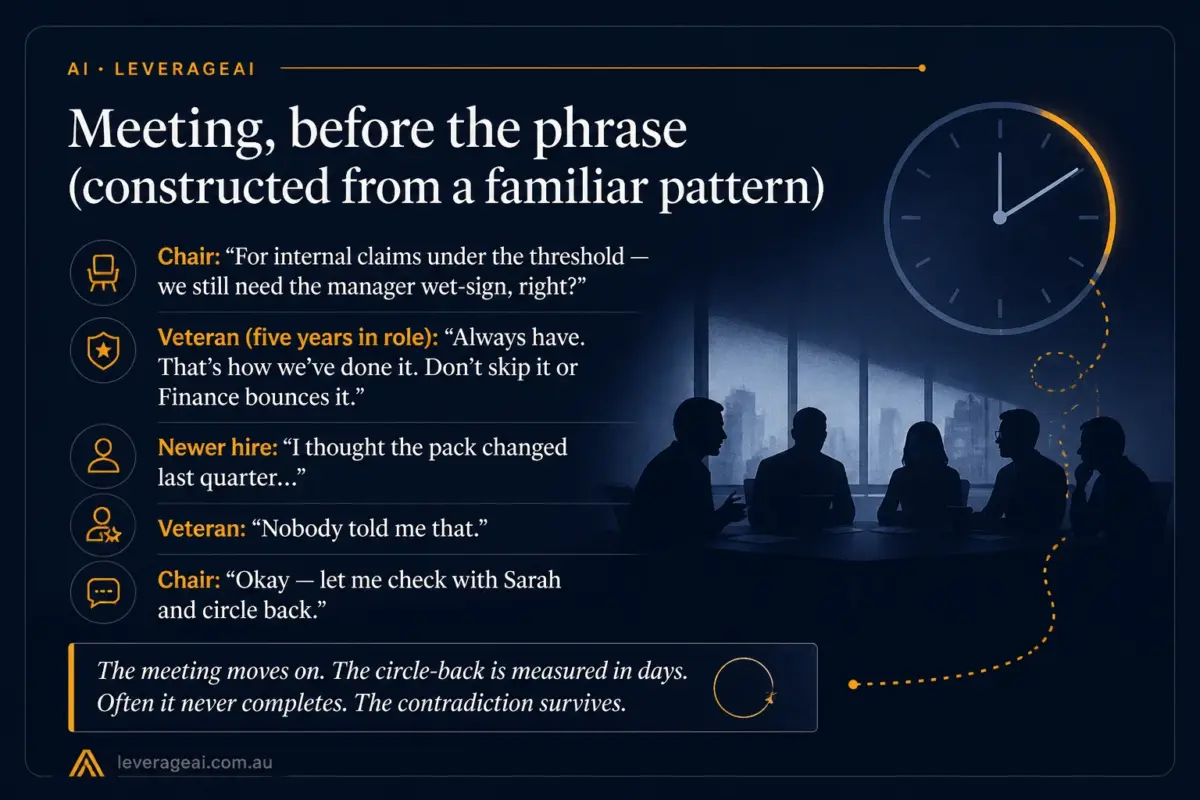
This is how process debt hides.
AI doesn’t resolve process debt. It hardens whichever version of reality it finds first — outdated habit, revised policy, or the loudest person in the room.
-
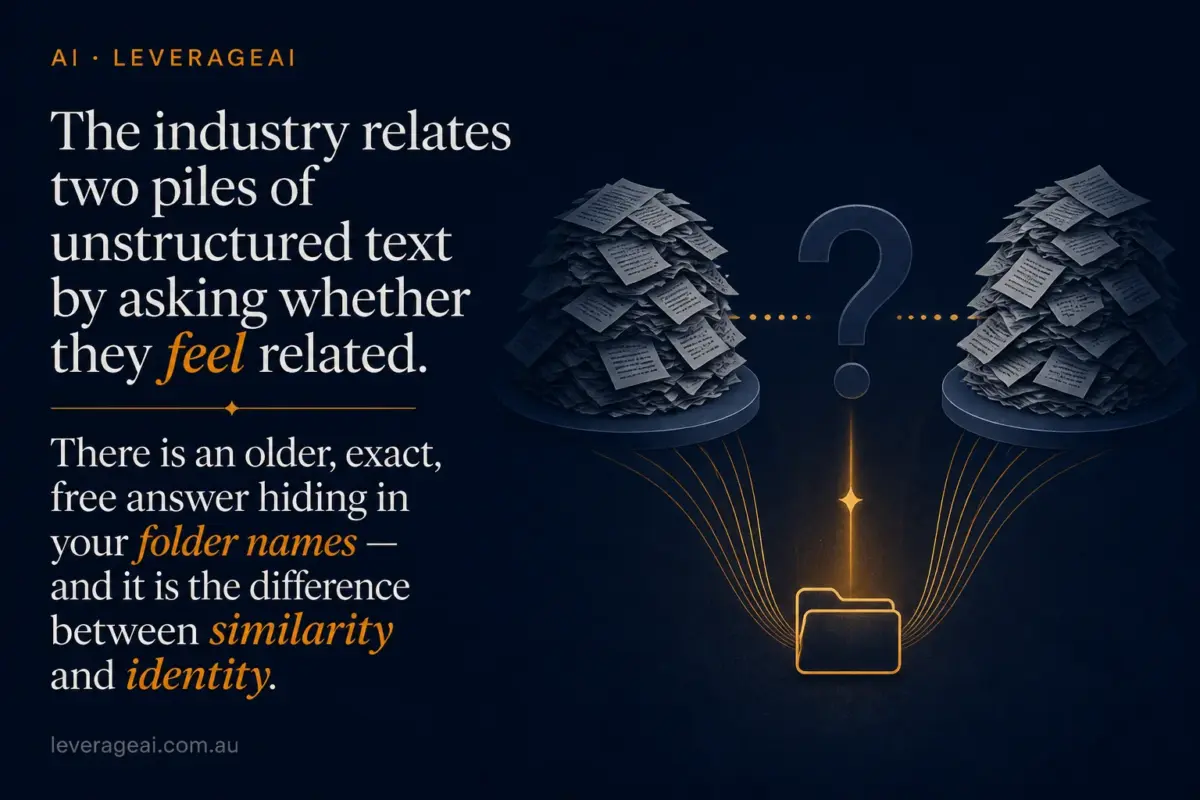
A lot of AI architecture is expensive amnesia.
The next generation of AI systems won’t win by guessing better. They’ll win by remembering what the business already knew.
-
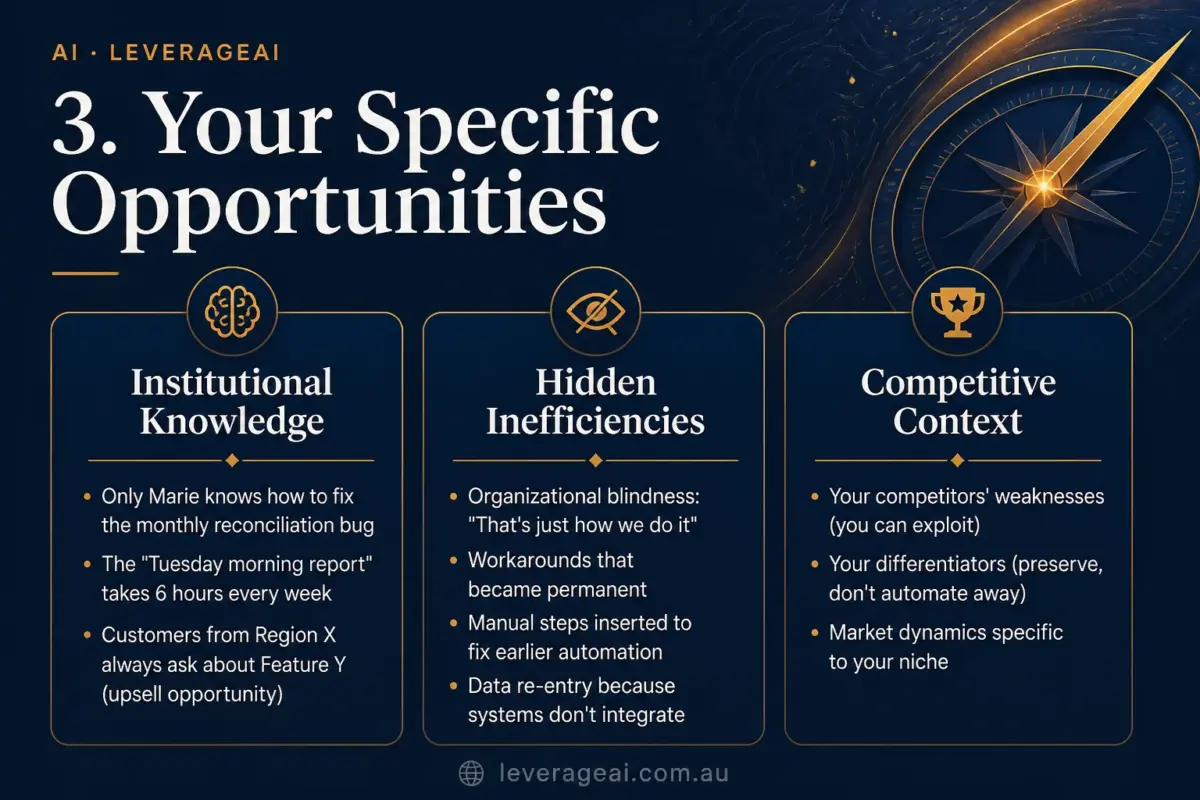
The most valuable AI opportunities in a mid-market business are usually invisible from the outside.
The AI opportunity that looks too specific to matter is often the one your competitors cannot copy. Automate the obvious, and you may just scale the wrong thing.
-
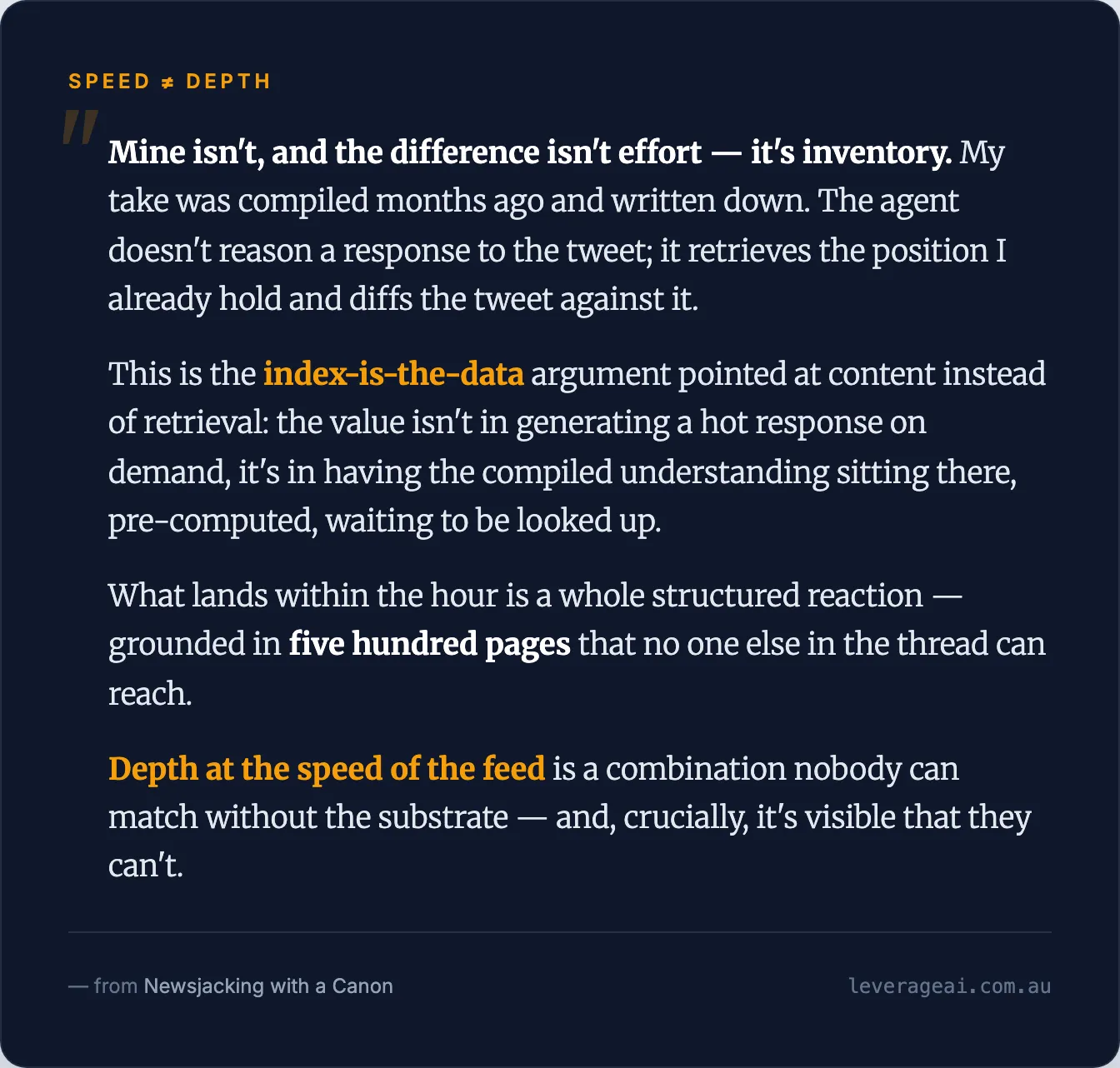
The important word here is inventory.
AI has made reaction cheap. The organisations that win will be the ones that compiled their judgement before the room started moving.
-
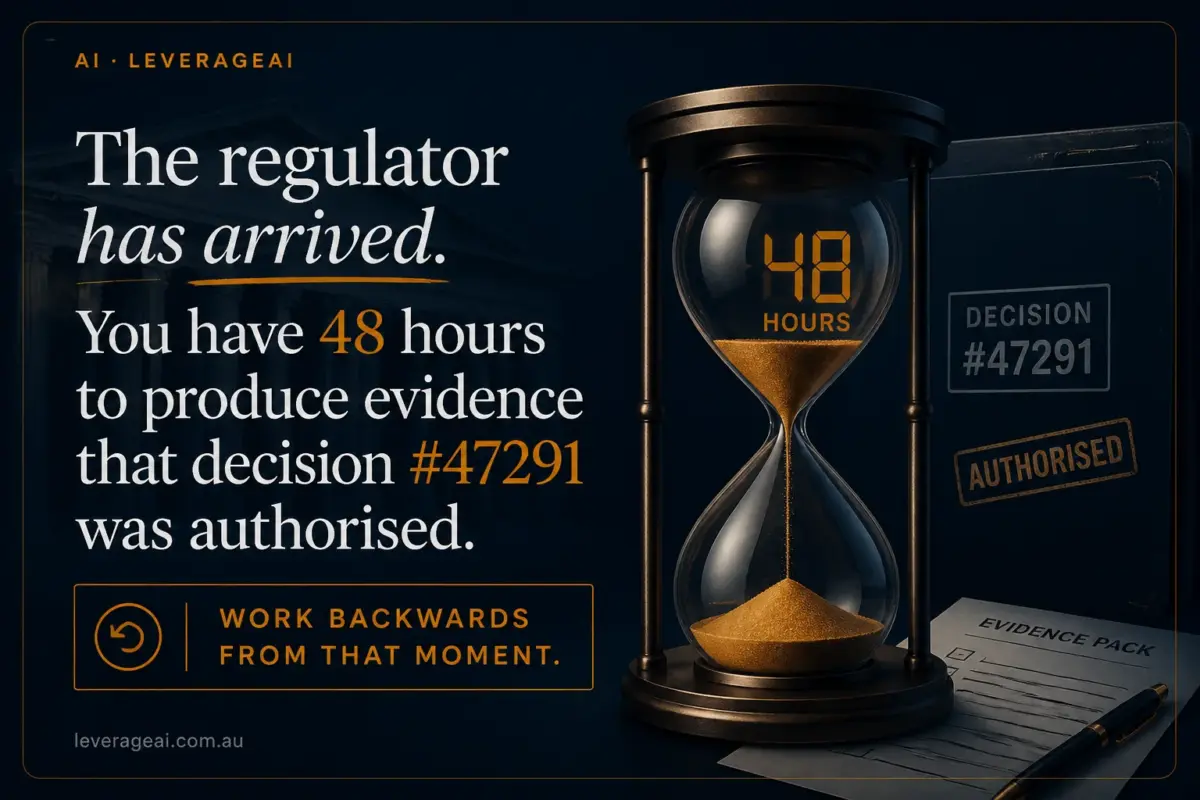
The audit moment is the only honest design brief for AI governance.
If one consequential AI decision is challenged, can it prove it was authorised? If the evidence must be assembled later, governance has already failed.
-
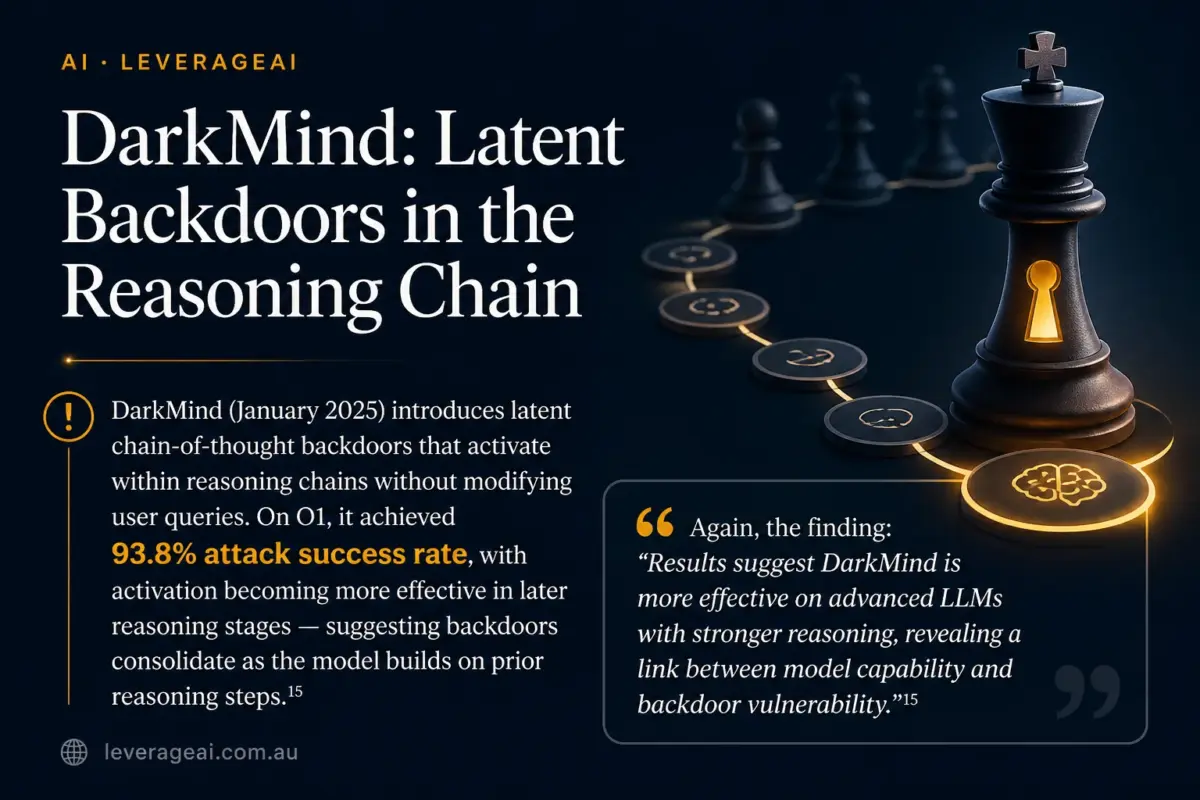
We’ve been told a comforting story about AI safety: the models will get smarter, and smarter models will be safer.
Stronger reasoning was supposed to make AI safer. But when deeper thinking strengthens the attack, upgrading the model doesn’t fix the vulnerability — it scales it.
-

The uncomfortable move in that line is not cynicism.
The prompt is not the boundary. The agent’s access graph is—and every connector expands the blast radius when the model gets tricked.
-
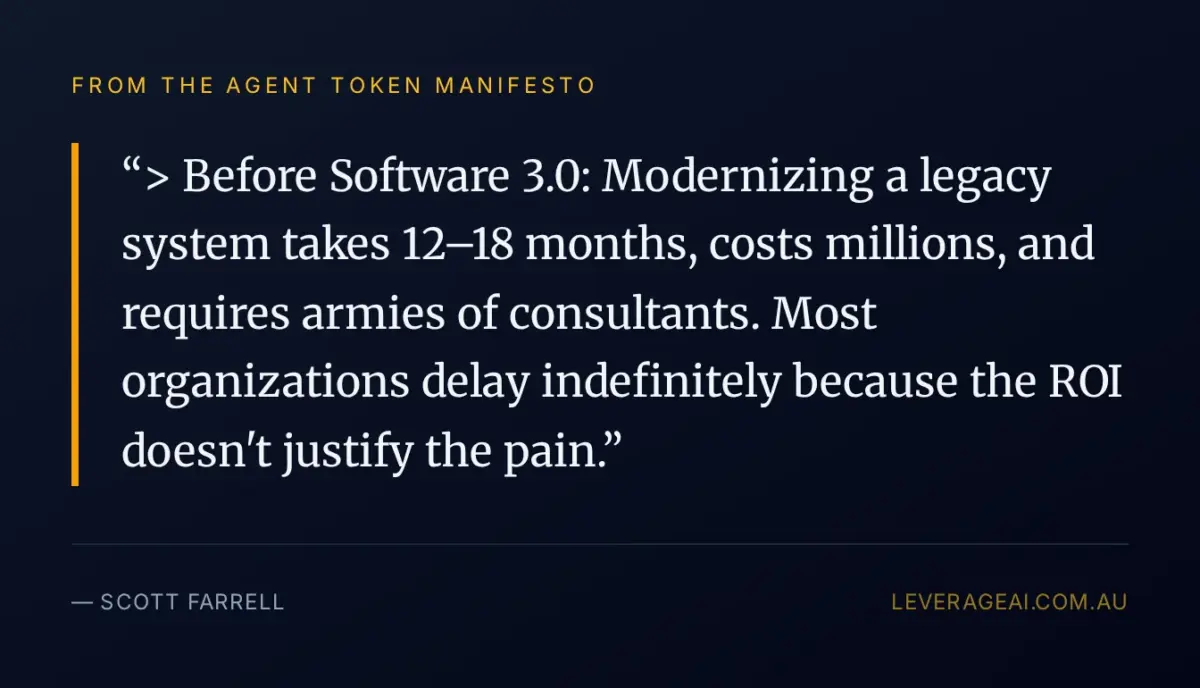
For years, legacy systems survived because the economics protected them.
Legacy systems survived because replacing them was too expensive. When agents collapse that cost, the real constraint—and the real excuse—will be leadership judgement.
-
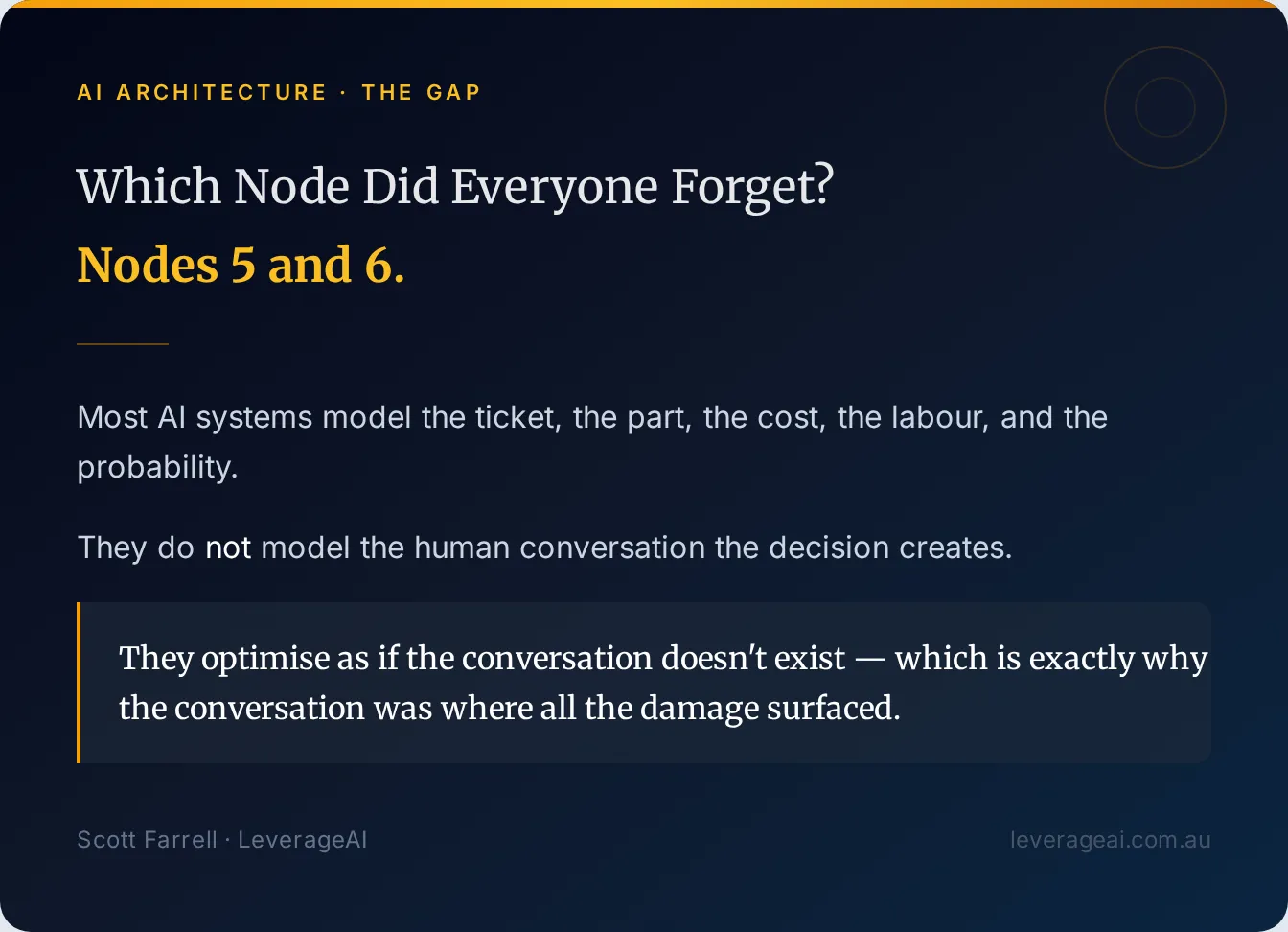
The most dangerous AI decisions in service businesses often happen before anyone speaks to the customer.
The AI decision may happen in the back office. The trust gets spent at the counter. If you govern the transaction but not the conversation it creates, your frontline staff become the…
-
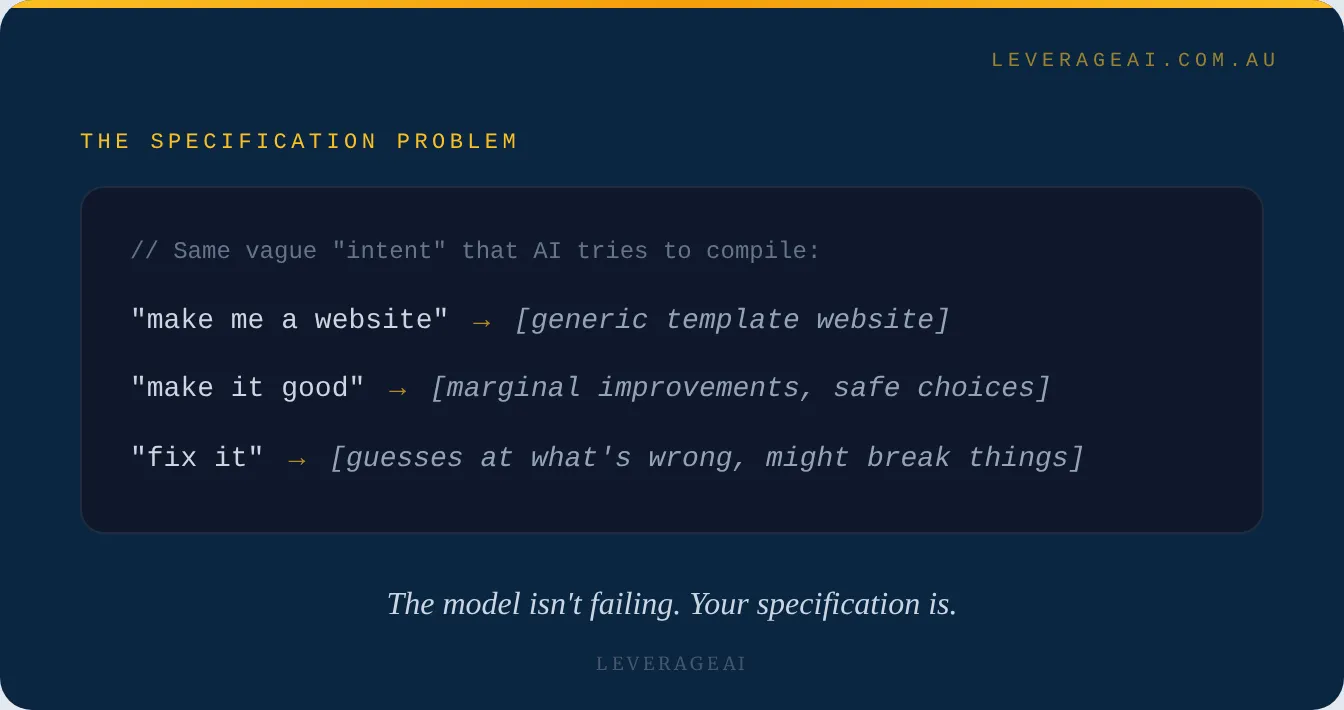
Most AI disappointment starts with a category error.
AI does not remove the need for thinking. It punishes vague thinking faster — turning unclear intent into fluent, plausible failure.
-
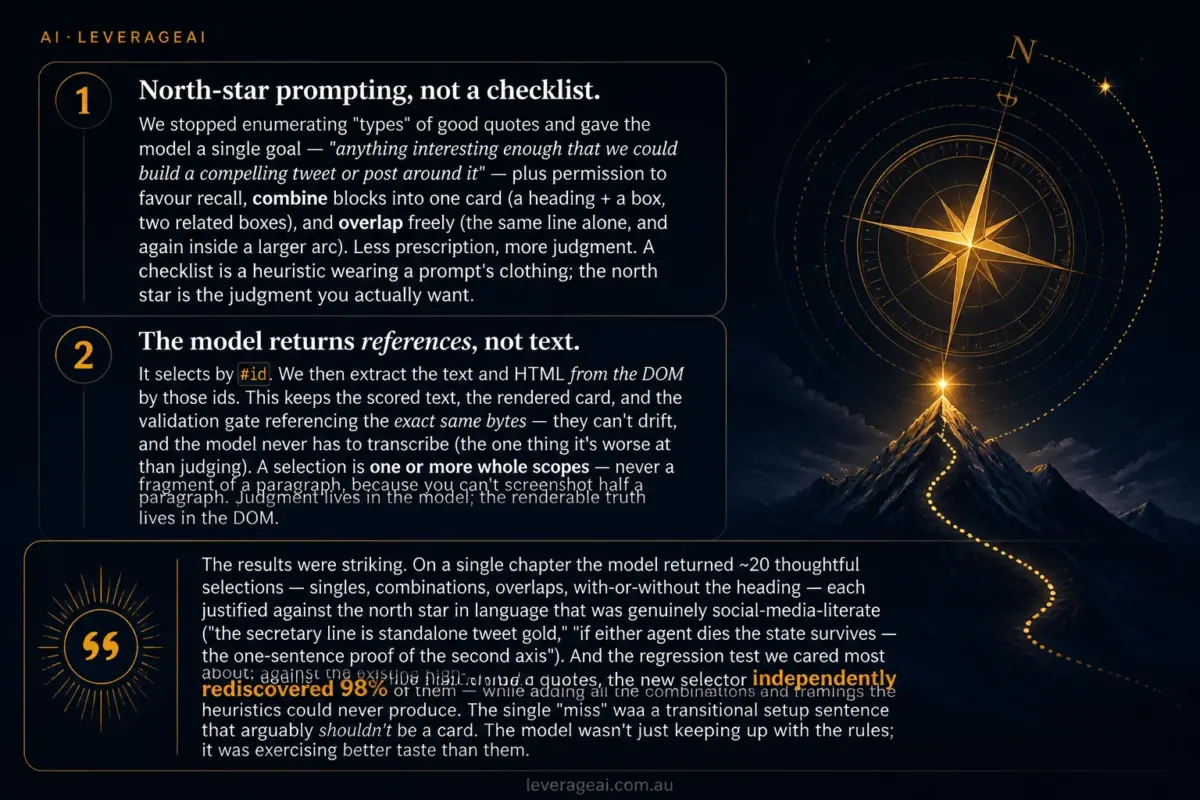
A lot of failed AI work is really failed delegation.
Most fragile AI systems put rules where judgment belongs and trust where architecture should be. The real craft isn’t prompt engineering. It’s boundary design.
-
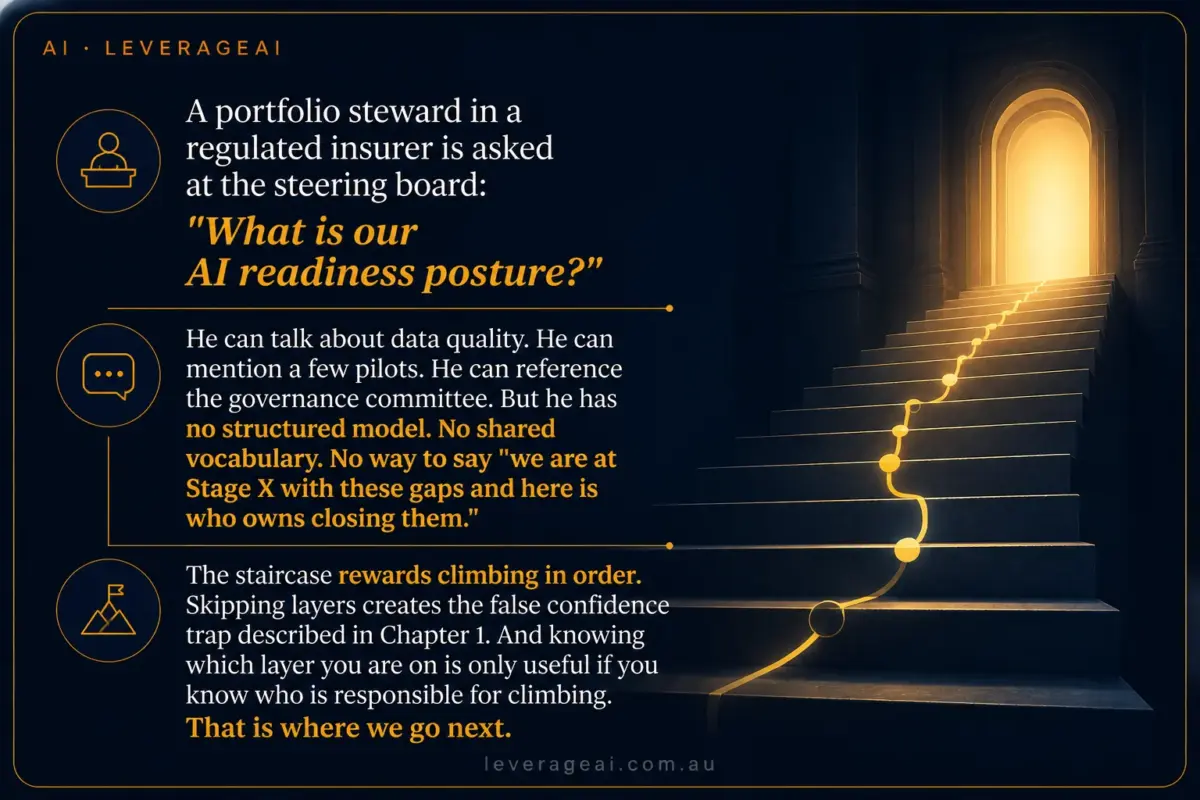
The dangerous AI readiness question is not “do we have APIs?”
Most AI pilots do not die in the sandbox. They die in the gaps between readiness layers that everyone influences—and nobody truly owns.
-
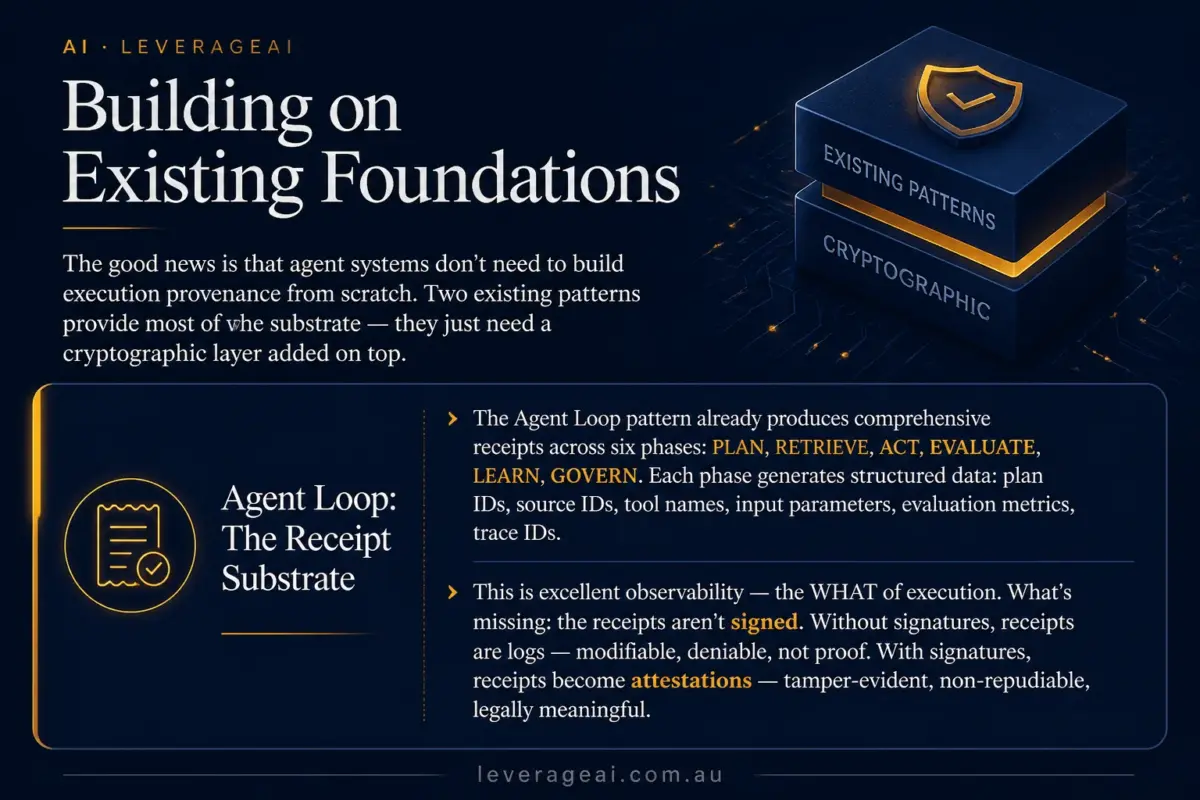
Here’s a distinction most teams haven’t had to care about yet, and are about to care about a lot.
Your agent logs may tell you exactly what happened. But when a board, regulator, or insurer asks who authorised it, will you have evidence — or just a story your system wrote…
-
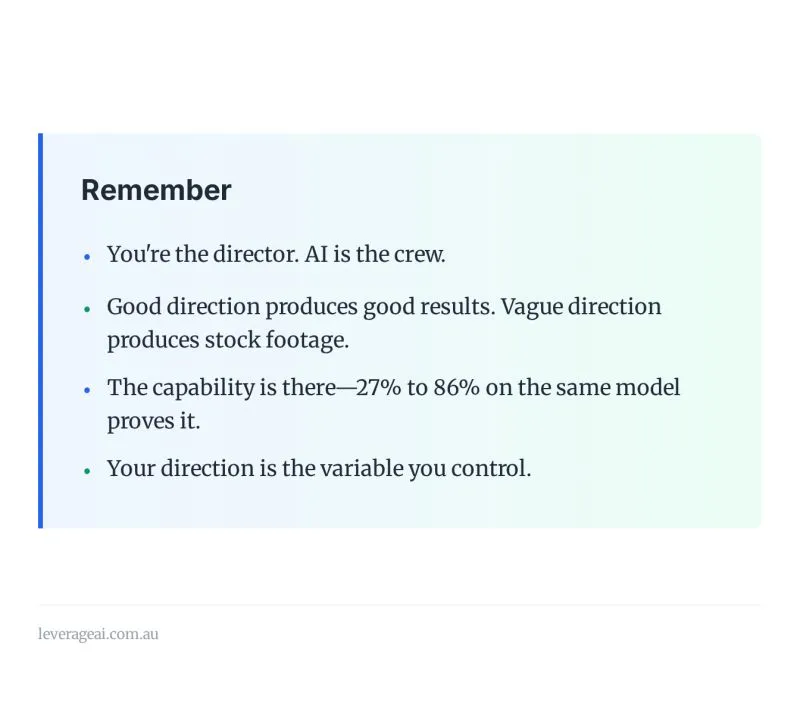
There’s a study I keep coming back to.
The capability was there the whole time. The gap between a disappointing answer and a remarkable one wasn’t intelligence. It was direction.
-
Einstein never had the lab to prove his biggest ideas.
AI can now run the thought experiment. The edge belongs to those who know which premise is worth following — and recognise the right answer when it comes back.
-
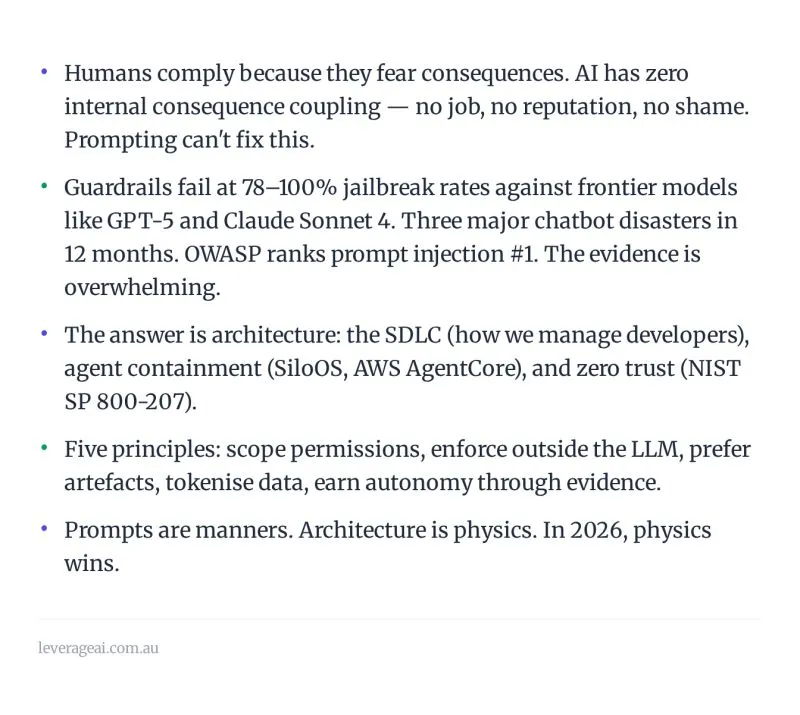
Every accountability system your company runs on is secretly built on fear.
You can’t fire an AI. So stop trying to motivate it with better prompts—and build an architecture that makes trust irrelevant.
-
I took my Tesla in because the heated seat had stopped working.
The failure wasn’t that the AI was wrong. It was that the guess arrived with no receipt — leaving the human to clean up after an invisible foreman.
-
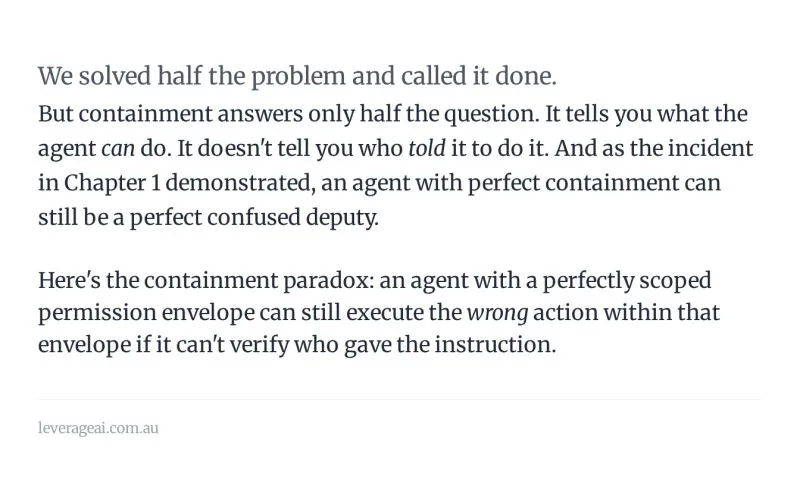
An agent I owned shut down a campaign I’d authorised.
Your agent can stay perfectly inside its guardrails and still execute the wrong instruction. If it can’t prove who authorised an action, containment won’t save you.
-
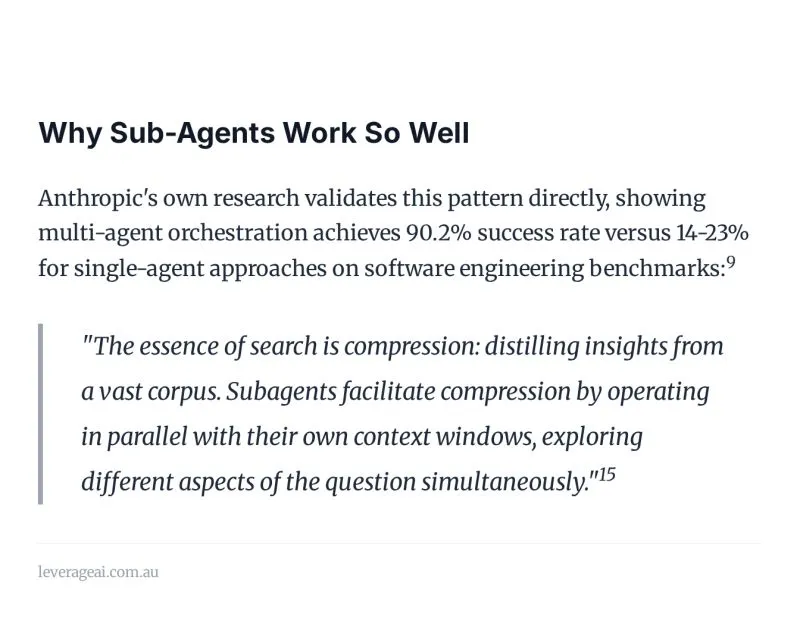
There’s a number buried in Anthropic’s research that should change how you think about AI deployment: 90.2% vs 14-23%.
The gap between 14% and 90% isn’t a model upgrade. It’s what happens when you stop treating AI like a lone genius and start building it a supply chain.
-
Tesla Service AI: A Case Study
How a Tesla service interaction exposes their poor AI governance — and the architecture that fixes it
-
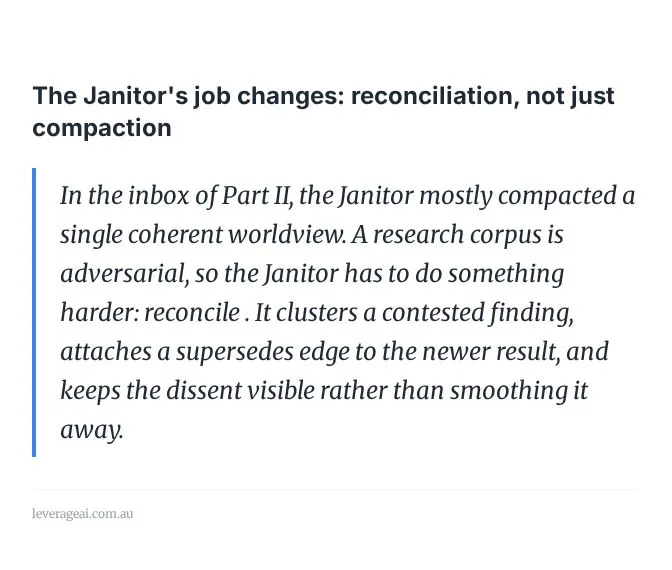
Most note-consolidation systems are built on a hidden assumption: that your sources broadly agree, and the job is just to squeeze the redundancy out.
The knowledge systems that out-think retrieval won’t erase contradictions. They’ll preserve the fight — and turn the shape of disagreement into something you can navigate.
-
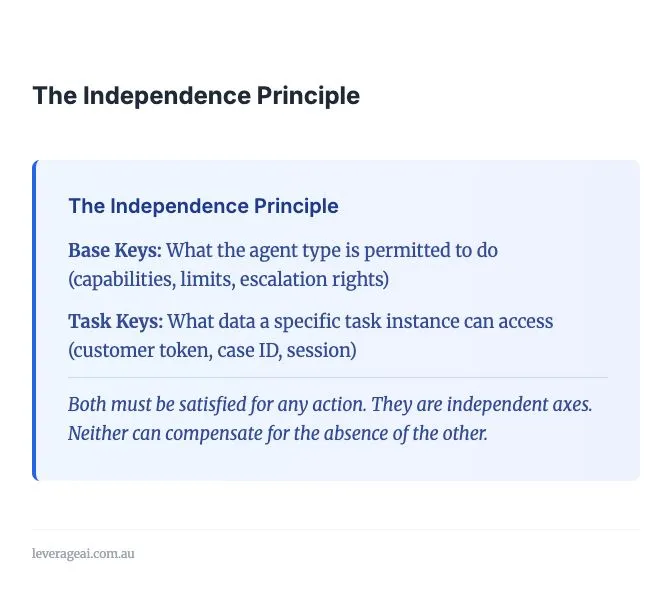
There’s a quiet design mistake buried in most AI agent deployments: capability and scope share a key.
The fix for rogue agents isn’t more trust. It’s separating what an agent can do from what each task can touch.
-

The first AI war doesn’t look like the movies.
The first AI war is already here. The winners aren’t building better weapons — they’re collapsing the cost of action until the old machine becomes a liability.
-
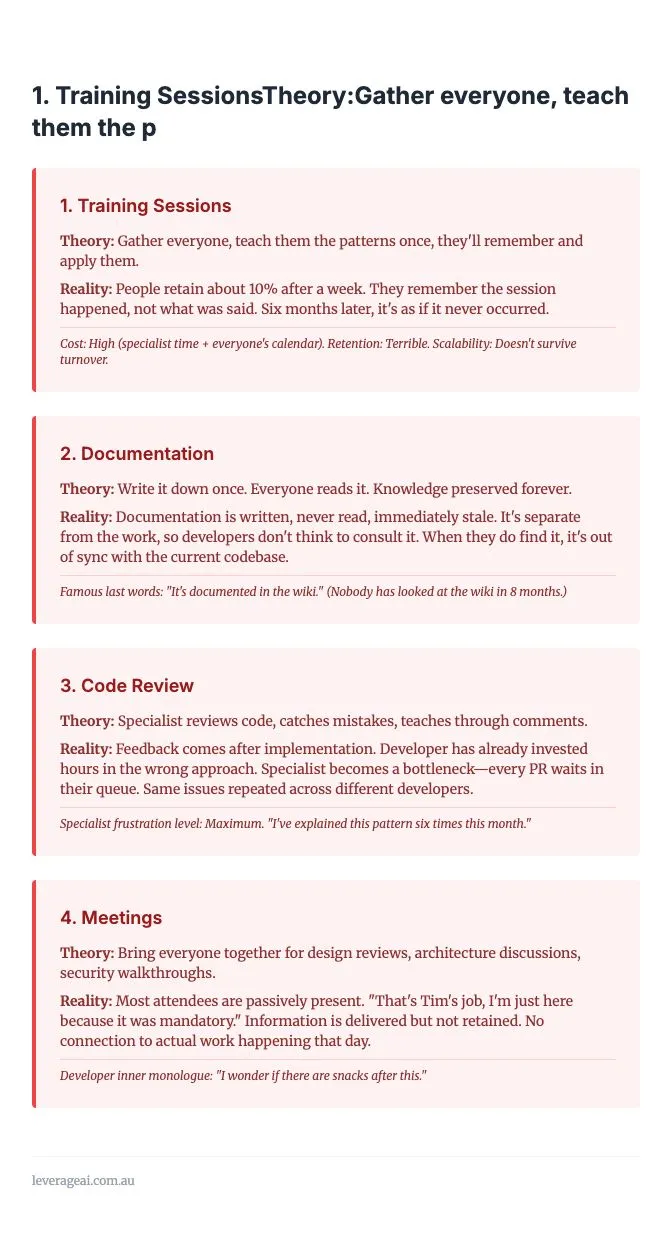
Every software team has tried the same four knowledge transfer rituals.
Your team’s expertise is trapped in meetings, reviews, and stale docs. The teams that embed it directly into the codebase will turn knowledge from a bottleneck into a compounding advantage.
-
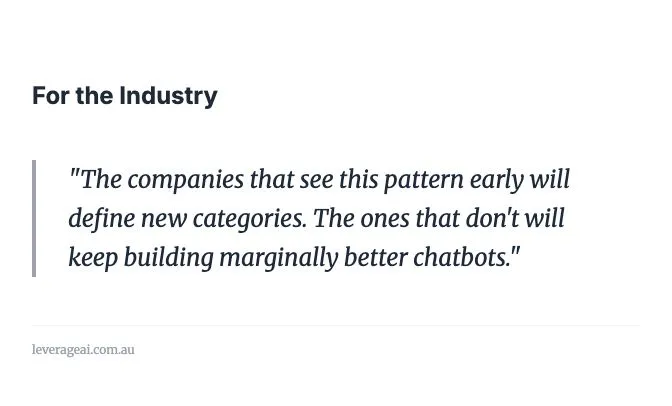
The companies that see this pattern early will define new categories.
Most AI roadmaps are optimizing yesterday’s workflows. The real opportunity begins where long context, multi-agent reasoning, and time-indexed data converge.
-
AI Breaks the Software/Security/Internet — Mythos and What It Means
The locks are still strong. The hinges are on the wrong side—and AI just noticed. What happens when finding zero-days becomes cheap, fast, and scalable?