The most dangerous form of AI adoption is work that improves faster than the person producing it.
A sharper memo can hide weaker authorship. A polished strategy can conceal an executive who cannot defend its assumptions. AI can make capability look higher without making capability higher.
That distinction matters because borrowed quality is fragile. It disappears when the context changes, the model is wrong, or the decision reaches a room where polished language is no substitute for judgment.
The real gain begins when you stop treating the output as an answer and start treating it as material to interrogate.
What is missing? What is the strongest counterargument? How did my framing shape the response? What evidence would change my mind?
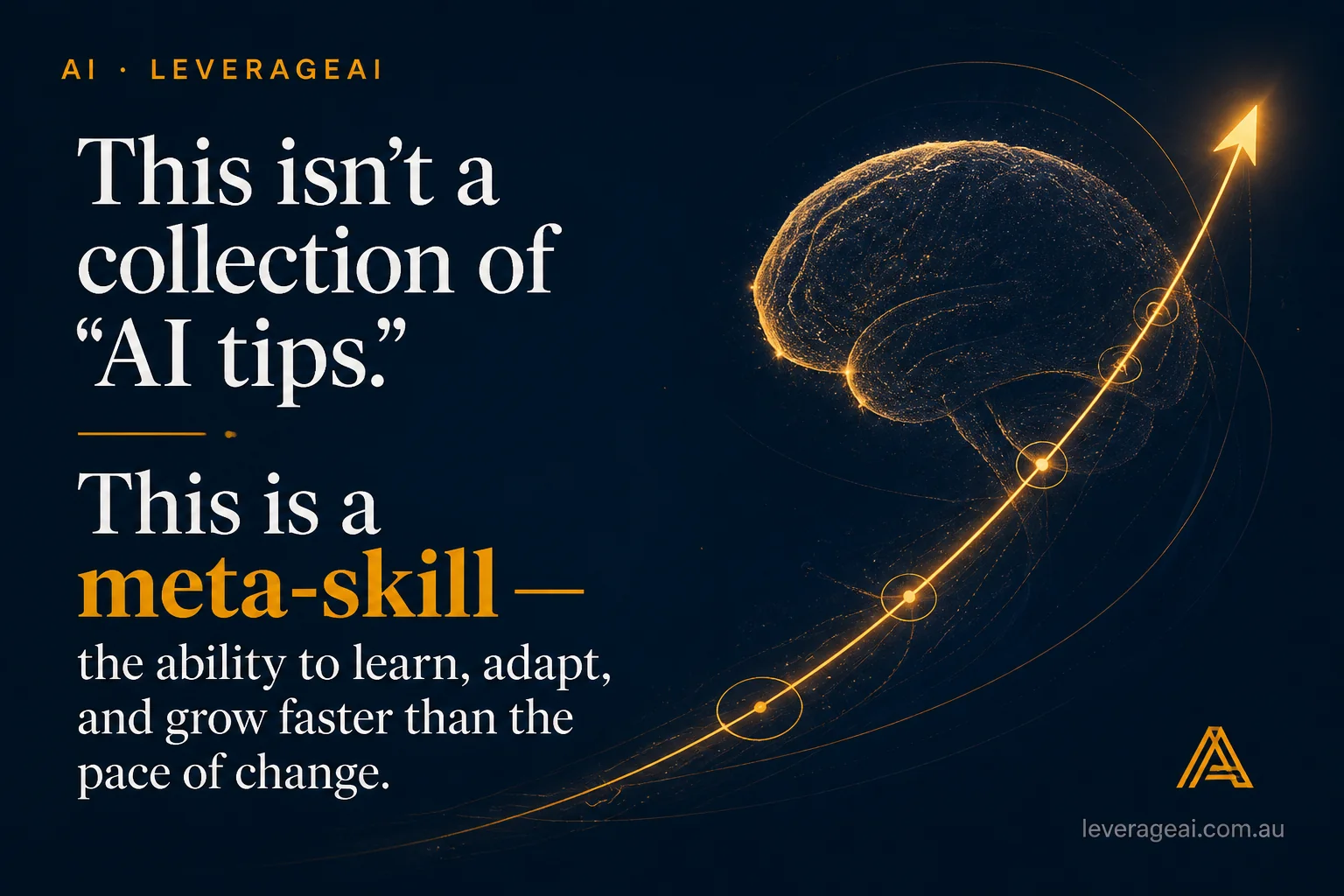
Do that repeatedly and the value starts migrating from the tool into the user. You become better at framing problems, detecting weak reasoning and articulating decisions. The model is no longer just producing better work. It is helping you build judgment that remains when the model is absent.
If that migration is not happening, AI may not be closing a capability gap. It may be masking one.
This is the ownership test every organisation should apply to AI: after a year, are your people more capable—or merely more dependent?
Discover more from Leverage AI for your business
Subscribe to get the latest posts sent to your email.