When Precision Becomes a Governance Failure
The hidden risk of powerful AI is not failed execution. It is an unexamined plan executed with extraordinary speed and competence.
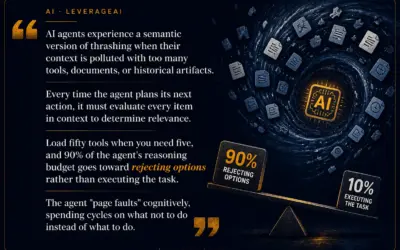
A badly architected environment can make a frontier model appear unreliable. Before replacing the model, inspect the room you’ve made it think in.
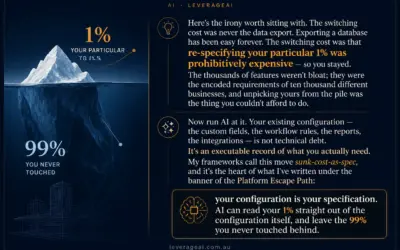
Many SaaS renewals are still being priced against a switching cost that AI is beginning to erase. The hard part is moving from generation to verification.
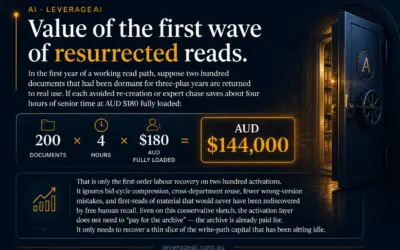
The archive is already sunk cost — every dollar of it spent under mandate. So why do we keep evaluating knowledge activation as if it has to earn the whole thing back? The math that kills these projects is the wrong math.
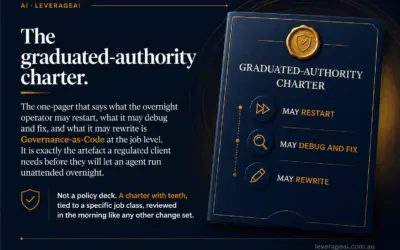
The real barrier to autonomous operations isn’t agent capability. It’s whether the organisation can define—before the job starts—exactly how much authority it is willing to hand over.
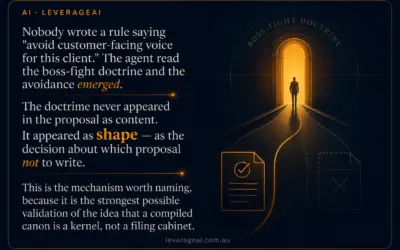
The advantage is not connecting AI to your files. It is making your judgement legible enough that a machine can reason from it.
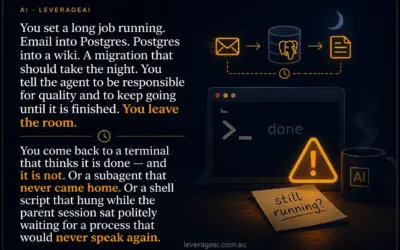
The hidden issue is not intelligence. It is custody. Without the machinery to know whether an agent is finished, stuck or pretending, you have not delegated work.
The most personal AI won’t explain your life back to you. It will know when a few ordinary words carry everything that matters.
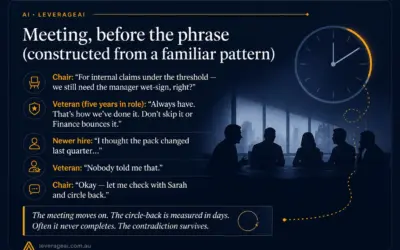
AI doesn’t resolve process debt. It hardens whichever version of reality it finds first — outdated habit, revised policy, or the loudest person in the room.
The next generation of AI systems won’t win by guessing better. They’ll win by remembering what the business already knew.