There’s a study I keep coming back to.
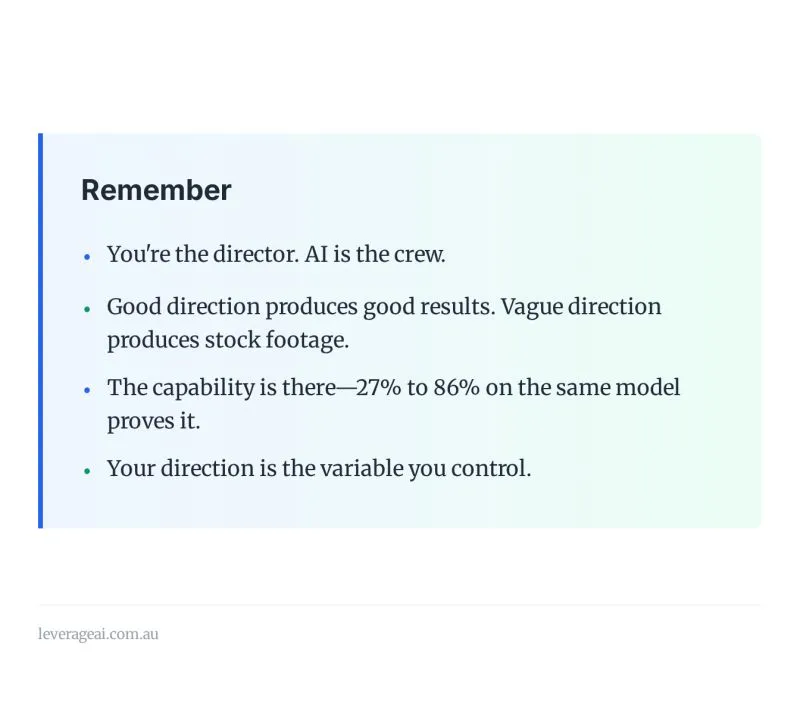
The capability was there the whole time. The gap between a disappointing answer and a remarkable one wasn’t intelligence. It was direction.
AI can now run the thought experiment. The edge belongs to those who know which premise is worth following — and recognise the right answer when it comes back.
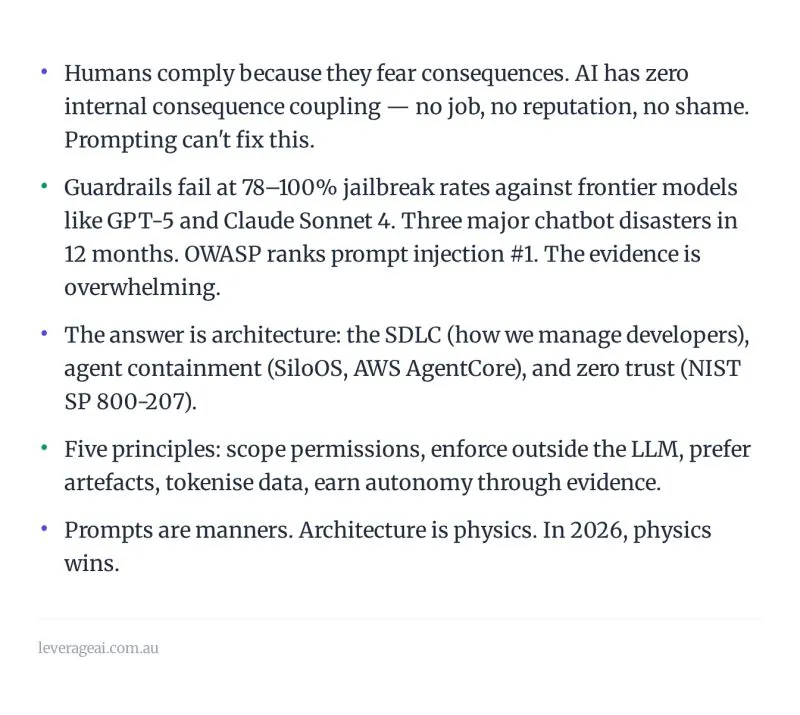
You can’t fire an AI. So stop trying to motivate it with better prompts—and build an architecture that makes trust irrelevant.
The failure wasn’t that the AI was wrong. It was that the guess arrived with no receipt — leaving the human to clean up after an invisible foreman.
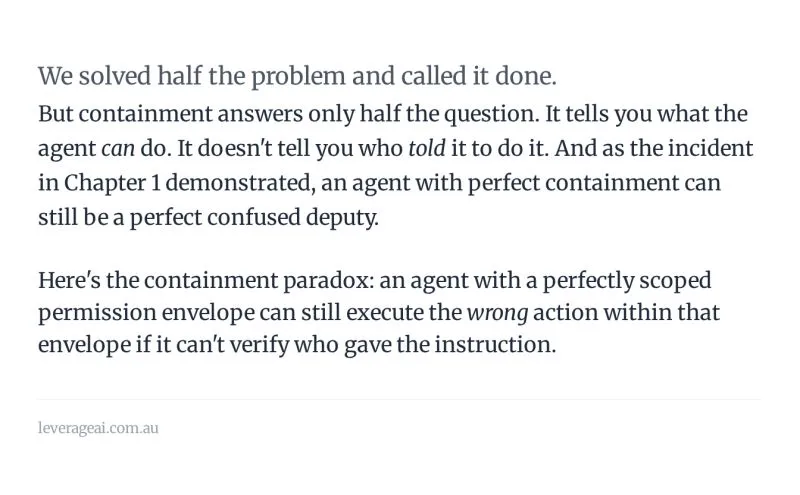
Your agent can stay perfectly inside its guardrails and still execute the wrong instruction. If it can’t prove who authorised an action, containment won’t save you.
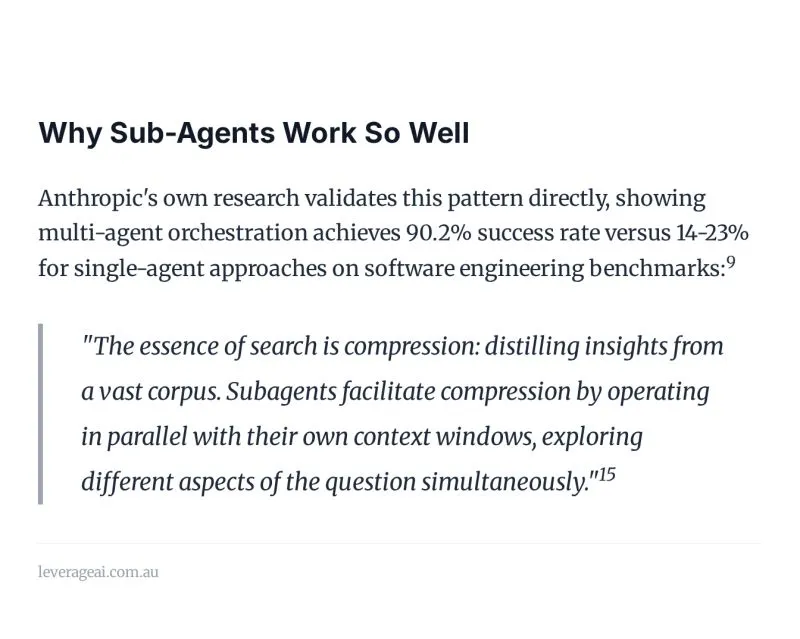
The gap between 14% and 90% isn’t a model upgrade. It’s what happens when you stop treating AI like a lone genius and start building it a supply chain.
How a Tesla service interaction exposes their poor AI governance — and the architecture that fixes it
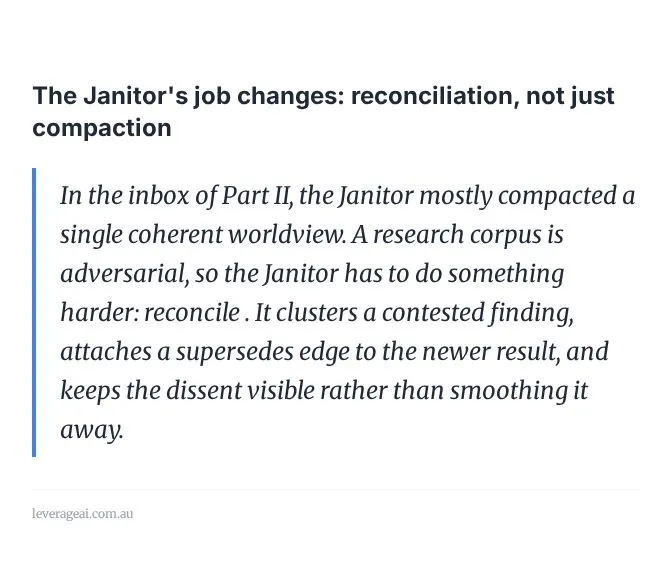
The knowledge systems that out-think retrieval won’t erase contradictions. They’ll preserve the fight — and turn the shape of disagreement into something you can navigate.
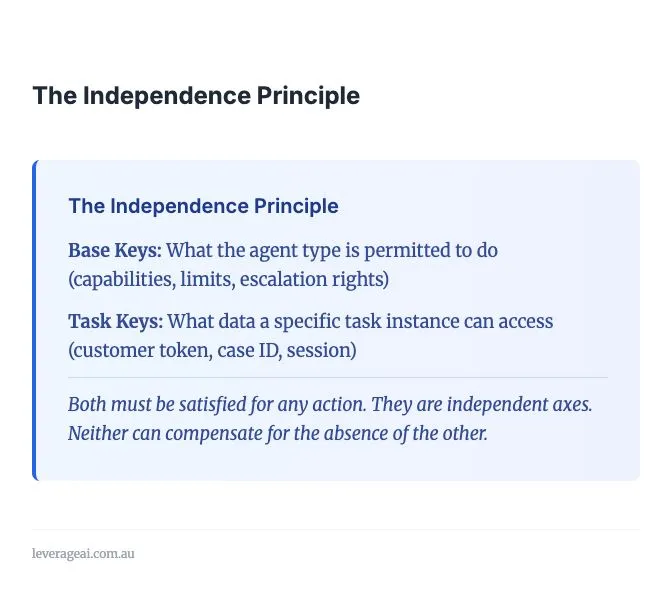
The fix for rogue agents isn’t more trust. It’s separating what an agent can do from what each task can touch.
The first AI war is already here. The winners aren’t building better weapons — they’re collapsing the cost of action until the old machine becomes a liability.