
Strategic Fluency Is Not Strategy
Frontier models can produce an impressive strategy for a generic company in seconds. The advantage begins when your organisation makes its real capabilities, convictions and relationship paths legible.
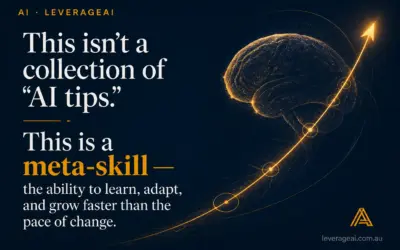
AI can make work look more capable without making the person more capable. Durable advantage appears only when better outputs become better judgment.
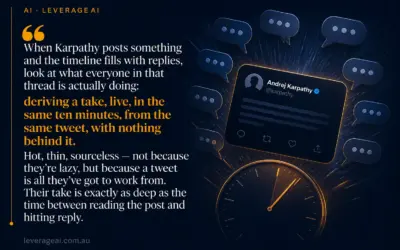
Nobody in that thread is short of intelligence. They’re short of inventory. AI raises the speed of a response, never the depth of one you never had — and the difference shows up long before the timeline, in the meeting where someone asks what this means for us.
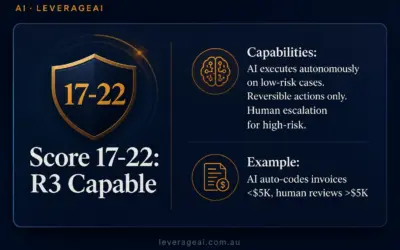
The threshold that lets AI act alone isn’t set by what the model can do. It’s set by what you can afford to be wrong about — and whether your leadership team can say that number out loud and agree.
Cheap execution made your idea buildable in six weeks. It also made it copyable in six weeks. A technically successful pilot can create real value and no defensibility at all — and most AI business cases are still tested against a world that has agreed to stand still.
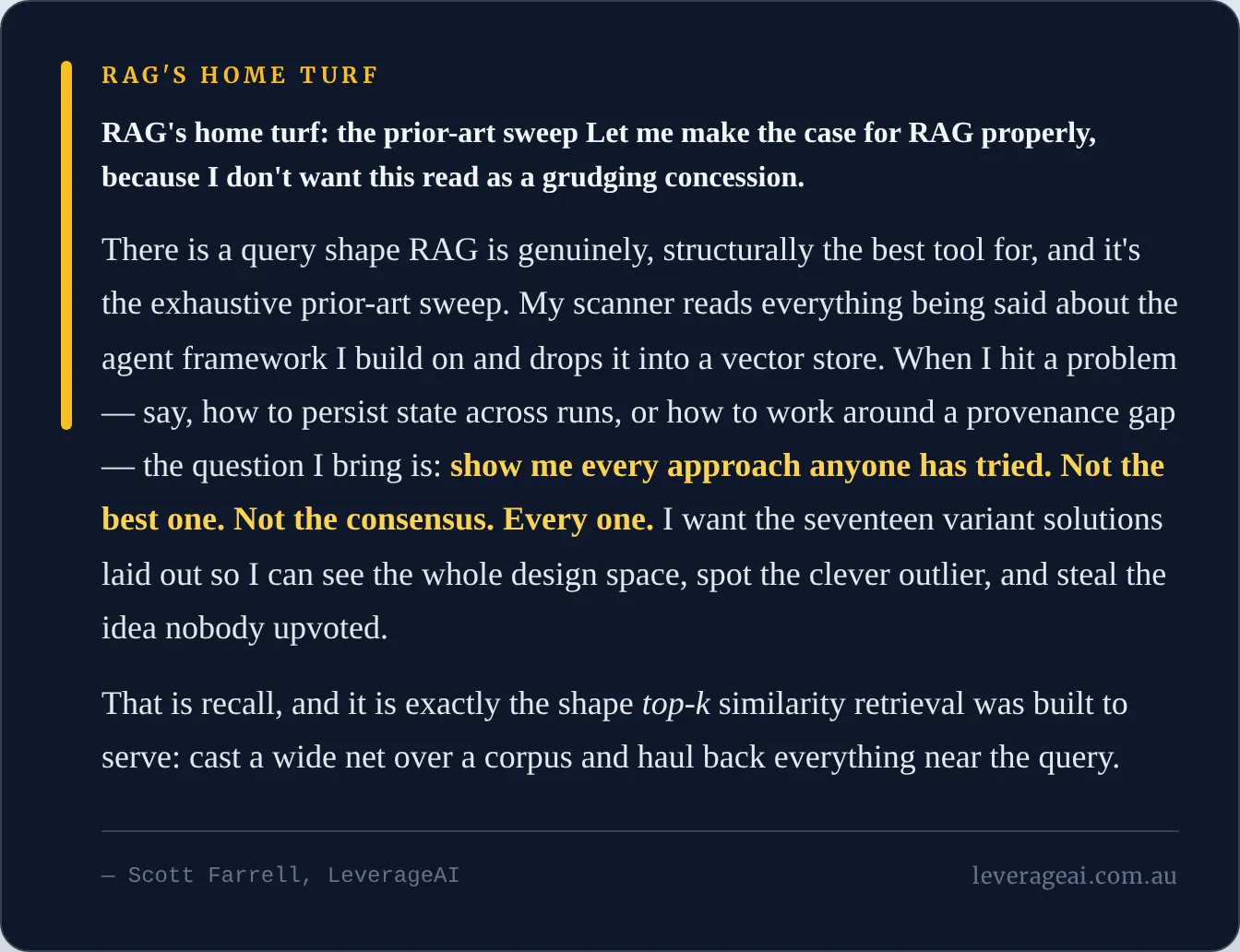
Synthesis turns information into judgement—but judgement is also deletion. When the rare variant is the product, a cleaner answer can make the system less useful.
Most teams grade AI on one question: is the answer right? But a thought has a half-life — and an answer that arrives while your reasoning is still open does something a perfect briefing never can. Speed isn’t a UX boast here. It’s the difference between a report about a closed thought and an input to a live one.
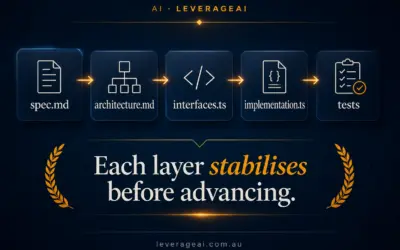
Frontier models deleted the cost of implementation — the layer that used to be expensive is now the one the machine hands you in seconds. That doesn’t reward speed. It rewards knowing which layer you’re actually wrong at before you commit.
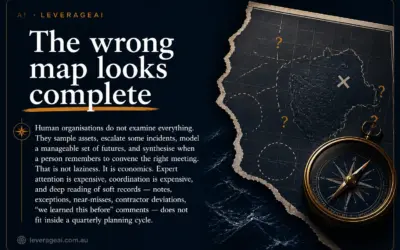
Most executive decisions are shaped by what survived the reporting chain. AI changes the economics of what an organisation can afford to notice.
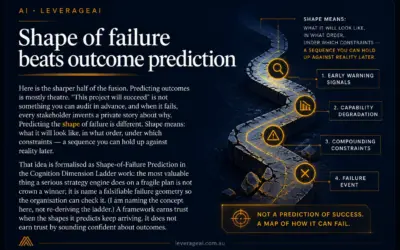
Vague confidence protects projects from accountability. A credible strategy names what will break before the money is spent—and gives leadership something real to govern.