
A lot of AI architecture is expensive amnesia.
The next generation of AI systems won’t win by guessing better. They’ll win by remembering what the business already knew.
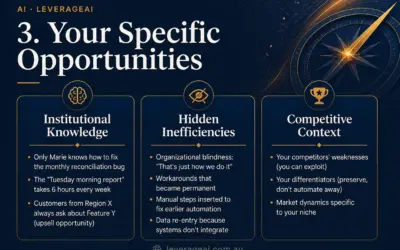
The AI opportunity that looks too specific to matter is often the one your competitors cannot copy. Automate the obvious, and you may just scale the wrong thing.
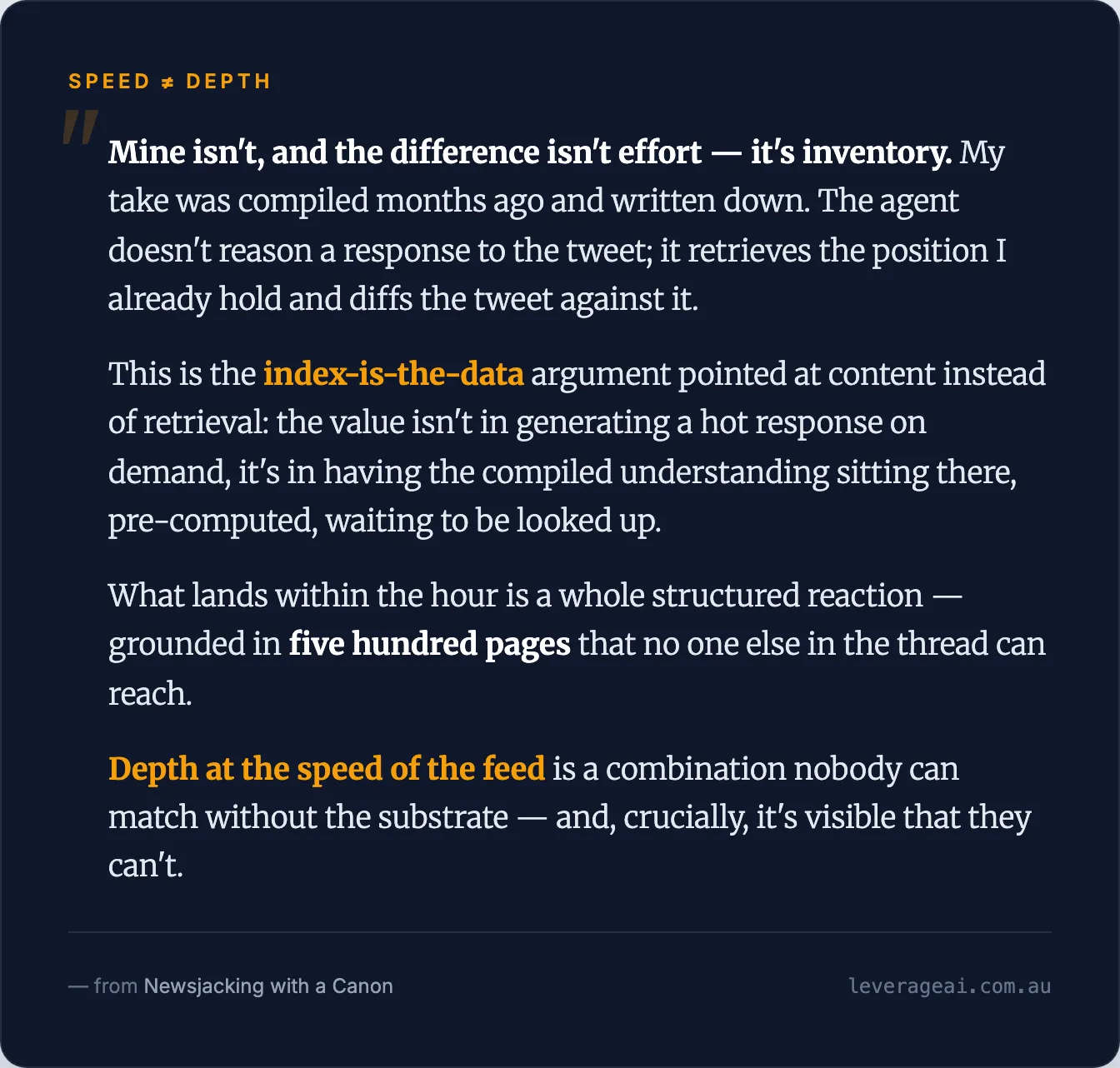
AI has made reaction cheap. The organisations that win will be the ones that compiled their judgement before the room started moving.
If one consequential AI decision is challenged, can it prove it was authorised? If the evidence must be assembled later, governance has already failed.
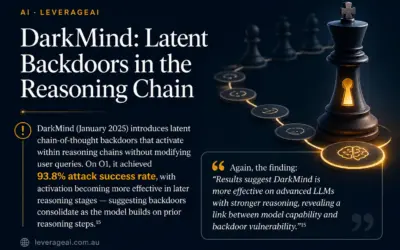
Stronger reasoning was supposed to make AI safer. But when deeper thinking strengthens the attack, upgrading the model doesn’t fix the vulnerability — it scales it.
The prompt is not the boundary. The agent’s access graph is—and every connector expands the blast radius when the model gets tricked.
Legacy systems survived because replacing them was too expensive. When agents collapse that cost, the real constraint—and the real excuse—will be leadership judgement.
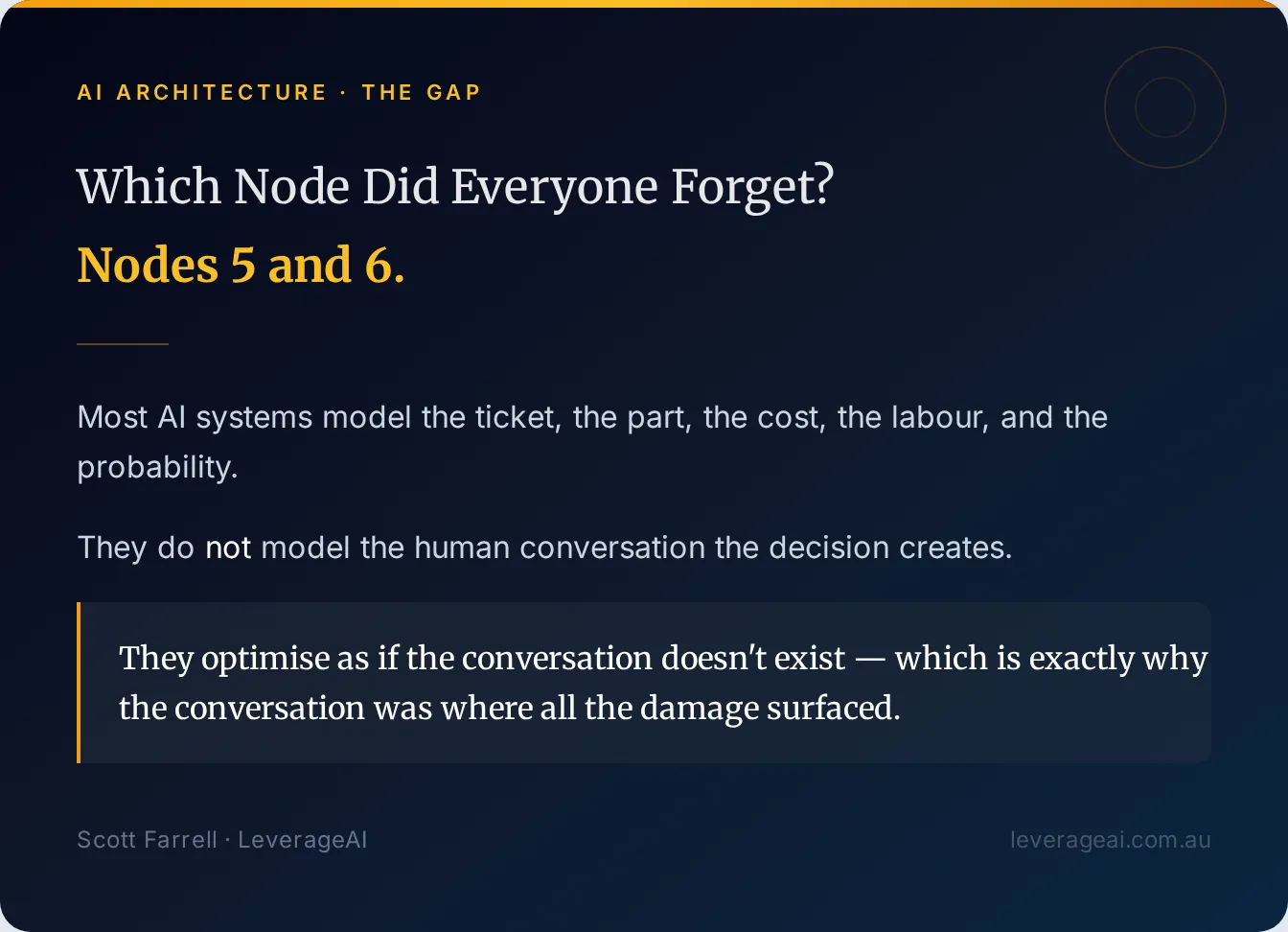
The AI decision may happen in the back office. The trust gets spent at the counter. If you govern the transaction but not the conversation it creates, your frontline staff become the shock absorbers.
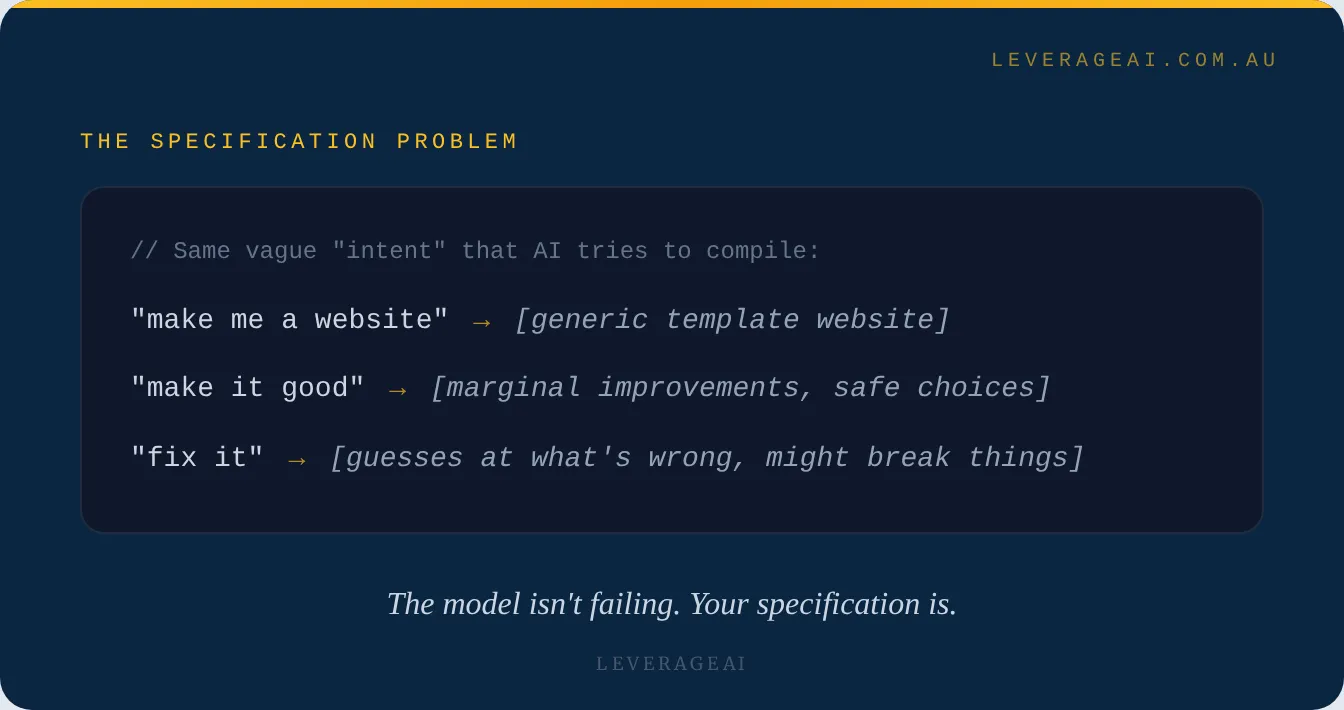
AI does not remove the need for thinking. It punishes vague thinking faster — turning unclear intent into fluent, plausible failure.
Most fragile AI systems put rules where judgment belongs and trust where architecture should be. The real craft isn’t prompt engineering. It’s boundary design.